People use “exterminator” and “pest control technician” like they mean the same job, and in casual conversation that’s fine. But the words point to two different philosophies, and knowing the difference helps you pick the right kind of help for what’s actually going on in your house or business.
What “exterminator” used to mean
The term comes from a simpler era of the industry: a technician shows up, sprays a broad-spectrum chemical around the perimeter and inside if needed, and leaves. The goal was elimination, full stop, and the method was usually the same regardless of which pest, or why it showed up in the first place. For decades this was the default, and for certain acute problems it still gets the job done.
What pest control looks like now
Modern pest control, especially the natural and integrated kind we practice, starts with a different question: not just “how do we kill this,” but “why is it here, and what will keep it from coming back.” That means:
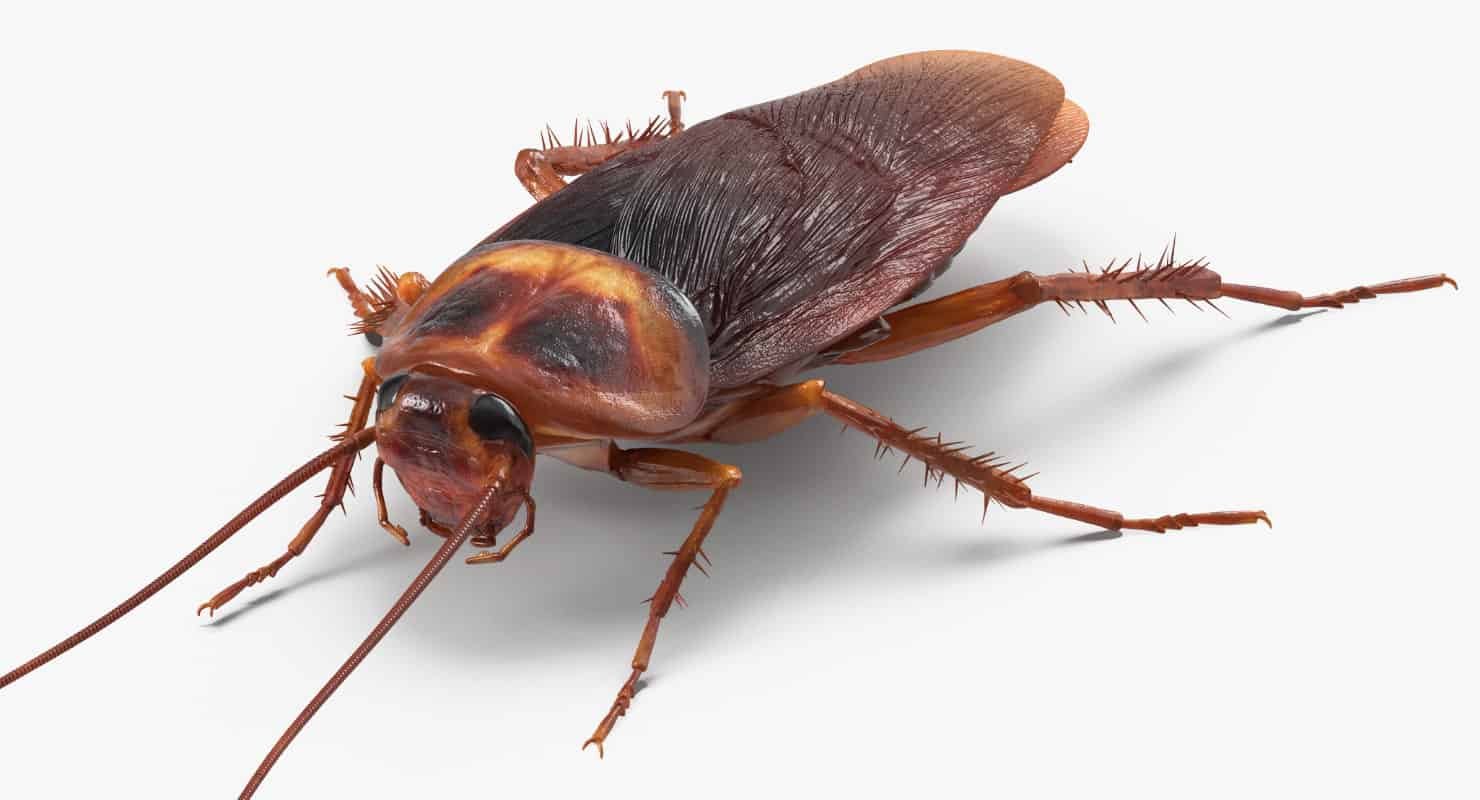
- Identifying the actual species, since a German cockroach and an American cockroach call for different approaches
- Finding the entry points, moisture sources, or food access that invited them in
- Choosing the least toxic effective method first, whether that’s exclusion, traps, botanical treatments, or targeted baiting
- Following up, because one visit rarely solves a structural or habitat problem
This approach has a name in the industry, integrated pest management, or IPM, and it’s become the standard that most licensed pest professionals are trained in, even if the word “exterminator” is still what shows up in casual conversation and old signage.
What an IPM visit actually looks like, start to finish
An integrated pest management visit starts before any product comes out of the truck. A technician walks the property looking for the conducive conditions covered above, moisture, gaps, food access, then confirms species identification if it isn’t already documented from a prior visit. Only after that does treatment selection happen, and it’s chosen to match what was actually found rather than pulled from a standard kit used on every stop of the day. Monitoring devices, sticky traps for crawling insects, bait stations that get checked and logged, are often placed even when no active infestation is confirmed, specifically so the next visit has real data instead of a guess about whether things have changed. That documentation is also what separates a real IPM program from a company that uses the term as marketing while still doing a straight spray-and-leave visit underneath it.
Why this matters for what you hire
If you’ve got a single wasp nest under the eaves, a fast knockdown treatment is reasonable and an exterminator mindset works fine. But if you’re dealing with recurring ants in the kitchen, mice every fall, or termites near a slab, spraying without diagnosis usually means paying for the same visit again in a few months. That’s the case for treating pest control as a service relationship rather than a one-time transaction; you want someone who checks what’s actually drawing pests to the property, not just someone who fogs the room and leaves.
Questions worth asking before you hire either one
- Will you identify the species before treating, or is the treatment the same regardless of what’s found?
- What’s included if the problem isn’t resolved after the first visit?
- Are you licensed and insured in this state or province, and can you show documentation?
- What’s the least toxic option for this specific pest, and when would you actually recommend something stronger?
A pest control contractor confident in its process will answer all four without hesitation. One that only answers the first question, what’s being sprayed, is telling you something about how they operate.
How licensing and training fit in
In most US states, both an “exterminator” and a modern pest control technician need to hold the same state pesticide applicator license, so the legal bar is similar even though the working philosophy differs. What separates a strong technician is ongoing training in species identification, IPM principles, and least-toxic application methods, which isn’t legally required everywhere but is what actually shows up in the quality of the work. In Canada, the UK, and Australia, licensing structures vary by province, region, or state, but the same underlying distinction between a spray-first mindset and a diagnose-first one holds across all of them.
Most US state licenses also break down by category, general household pests, termites, wood-destroying organisms, fumigation, and so on, meaning a technician licensed for general pest control isn’t automatically certified to handle a termite treatment or a fumigation job. It’s worth asking which category applies to your specific problem rather than assuming a license is a blanket qualification. Continuing education requirements, often a set number of hours every one to three years depending on the state, are where the identification and IPM training actually gets reinforced over a career, and a company that treats those hours as a formality rather than real training tends to show it in how technicians talk about a problem on-site.
One-time visits vs. ongoing service contracts
A single knockdown treatment, like the wasp nest example above, is typically billed as a flat one-time charge, often somewhere in the range of $100 to $300 depending on the pest and access. Recurring IPM-based service is usually structured as a contract, monthly, quarterly, or bi-monthly visits at a set price, with the guarantee that if activity returns between visits, a technician comes back at no additional charge. The math tends to favor a contract for anything recurring or structural, ants that show up every spring, mice every fall, because the cost of repeated one-time visits over a year or two typically outpaces a service plan, and a contract also means monitoring continues even during the months nothing is visibly wrong, which is when early signs of a new problem are easiest to catch.
What this looks like on commercial properties
The distinction matters even more for restaurants, warehouses, and multi-unit properties, where a health inspector or auditor wants to see documented, ongoing pest management, not a one-off spray receipt. An IPM-based service plan with regular monitoring, sealed documentation, and a clear treatment history holds up under a compliance review in a way that sporadic extermination visits simply don’t.
How we think about it
We’re a pest control company, not an old-school exterminator outfit, and the distinction is deliberate. Every technician we send out is trained to identify the pest, look for conducive conditions, and reach for the lowest-impact method that will actually solve the problem, before anything harsher goes on the table. And because we back every visit with a real guarantee, if the pest comes back before the problem is actually solved, we come back too, at no extra charge.
Whether you call it extermination or pest control, what you should be judging is the same thing: did the problem actually go away, and did it stay away. That’s the standard we hold ourselves to on every job, from a single-family home to a commercial kitchen. Call 1-844-783-4821 if you want to talk through what’s actually going on at your property before deciding what kind of service it needs.
A couple of quick questions
Is one approach always cheaper than the other? A single knockdown spray often costs less upfront, but recurring visits for a problem that never gets diagnosed usually add up to more over a year or two than a proper inspection and treatment plan.
Does “natural” pest control mean weaker results? Not when it’s done right. Natural and low-toxicity methods, exclusion, botanical treatments, targeted baiting, are chosen because they’re effective for the specific pest and situation, not as a compromise on results.
Can I ask for a diagnosis without committing to treatment? Reasonable pest professionals will walk a property and explain what they’re finding before pushing a service agreement. If a company won’t explain what’s causing a problem without a signed contract first, that’s worth treating as a red flag.
Is “pest control company” just newer marketing language for the same spray-and-leave service? It can be, which is why the questions in this article matter more than the label on the truck. A company using the term correctly should be able to describe its identification and monitoring process specifically, not just repeat the word “integrated” without explaining what that changes about how they work.
What’s the difference between a pest control technician and an entomologist? An entomologist studies insects at an academic or research level and may not perform hands-on treatment at all. A pest control technician applies that underlying science practically, in someone’s home or business, and is the person licensed to actually treat a property. Some larger pest management companies employ staff entomologists to support technicians on unusual or difficult identification cases, but the day-to-day service call is handled by a licensed technician, not an entomologist.