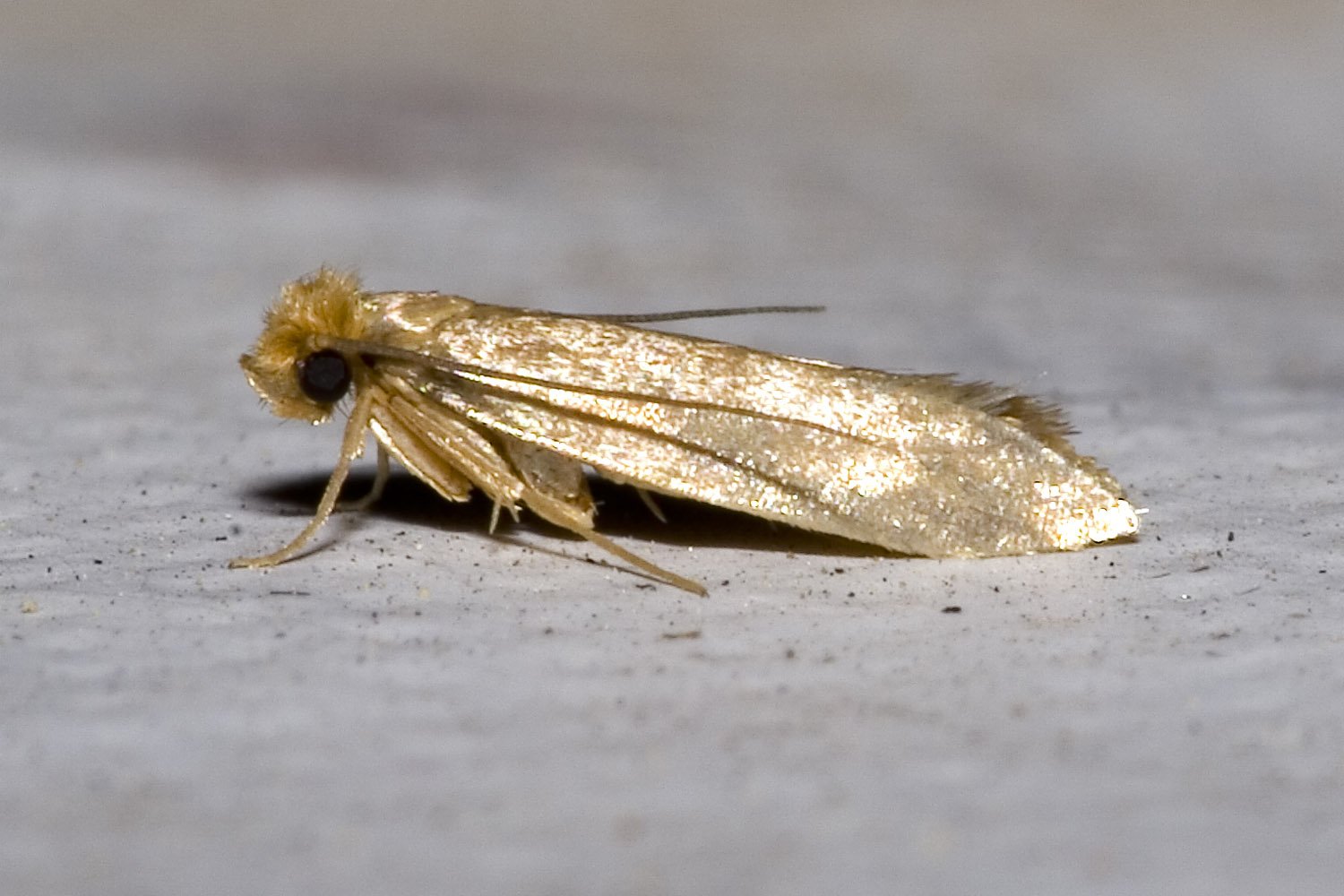
Carpet moths aren’t actually after your carpet in general, they’re after the wool or other natural fibers in it. Synthetic carpet is far less attractive to them, which is why infestations tend to concentrate under furniture, along skirting boards, and in rooms with wool rugs or natural-fiber runners that don’t get regular foot traffic or vacuuming.
Why They Target What They Target
Carpet moth larvae feed on keratin, the same protein found in wool, hair, and feathers, which they need to complete their development. Synthetic fibers like nylon or polyester don’t contain keratin, so larvae generally leave them alone unless the carpet is heavily soiled with food, skin cells, or pet dander, in which case even synthetic fibers can support a small population feeding on the debris rather than the carpet itself. This is also why infestations are so often localized rather than spread evenly across a home: a wool hallway runner or a natural-fiber rug under a bed is a food source, while the synthetic carpet in the next room over usually isn’t.
The Life Cycle, Egg to Adult
A carpet moth’s life runs through four stages: egg, larva, pupa, and adult. The eggs are laid directly onto or near a food source, usually tucked into carpet pile or the underside of a rug, and hatch within one to three weeks depending on room temperature. The larval stage is the destructive one and the longest, lasting anywhere from a few weeks to several months depending on temperature, humidity, and how much food is available, larvae in a cool, dry room develop far more slowly than those in a warm closet. Once a larva has fed enough, it spins a cocoon and pupates for one to three weeks before emerging as an adult moth. Adults live only a few weeks and don’t feed at all, their sole function is to mate and lay the next batch of eggs, which is why an adult moth fluttering across a room is really just a sign that a larval population already exists somewhere nearby, not the start of the problem.
Spotting the signs early
Adult moths are rarely the problem, since they don’t feed on fabric at all, their only job at that stage is to mate and lay eggs. It’s the larvae doing the damage, and they leave clues: small bald patches or thinning in the carpet pile, fine silky webbing tucked into fibers, and tiny case-like larval shelters that can look like debris if you’re not looking closely. A single female can lay 40 to 100 eggs in her short adult life, and those eggs hatch within one to three weeks depending on temperature and humidity, so a small patch of damage noticed early can multiply fast if it’s ignored through a warm season. Areas under heavy furniture that hasn’t moved in years are the most common starting point.
Carpet Moths vs. Carpet Beetles: Getting the Diagnosis Right
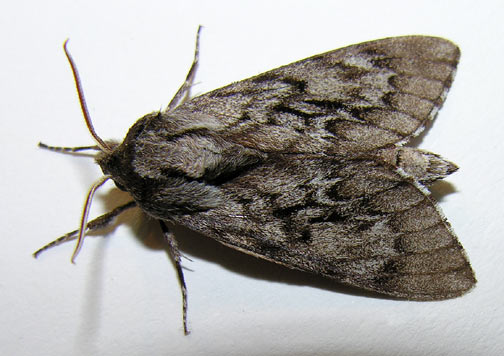
Homeowners frequently misidentify carpet beetles as carpet moths, and the mix-up matters because the two require different treatment approaches. Carpet beetle larvae are small, bristly, and oval-shaped, and unlike moth larvae they don’t spin webbing, so debris that looks powdery or grainy rather than silky is usually a beetle sign rather than a moth one. Adult carpet beetles are also active fliers that are drawn to light and windows, while adult carpet moths tend to avoid light and scurry into dark corners or folds of fabric when disturbed rather than flying toward a window. If you’re not sure which pest you’re dealing with, a close look at the debris and the adult insect’s behavior around light is usually enough to tell them apart, and it’s worth getting the identification right before choosing a treatment, since a treatment aimed at one won’t necessarily touch the other.
Where infestations actually take hold
- Under sofas, beds, and wardrobes that rarely get moved
- Along carpet edges near skirting boards
- Inside stored rugs, especially wool ones kept rolled up in a loft or garage
- Around vents and radiators where warmth and undisturbed conditions combine
- Inside closets and under stair carpets, both low-traffic spots that go months without a vacuum
Getting rid of them properly
Start by moving furniture and vacuuming thoroughly, including edges, corners, and under baseboards, then dispose of the vacuum bag or empty the canister outside immediately, since eggs and larvae can survive inside it and simply crawl back out later. Steam cleaning kills eggs and larvae on contact and is one of the more effective natural methods available, since carpet moth eggs and larvae can’t survive sustained heat above roughly 120°F (49°C). For an established infestation, especially one that’s spread across multiple rooms, a professional treatment targeted at both the carpet and any wool furnishings nearby is usually needed, since larvae can be present in numbers well beyond what’s visible on the surface, often tucked into padding or the underside of a rug where a vacuum can’t reach.
For smaller infestations isolated to one item, like a single wool rug or a stack of blankets, freezing is a genuinely effective non-toxic option: seal the item in a plastic bag and place it in a freezer set to 0°F (-18°C) or below for at least 72 hours, which kills eggs and larvae through cold rather than heat. Pheromone traps, sold at most hardware stores, won’t eliminate an infestation on their own since they only attract and catch adult males, but they’re a useful monitoring tool for confirming whether treatment worked and catching a rebound early. Boric acid powder worked into carpet pile and left for a few days before vacuuming is another option some homeowners use alongside steam cleaning, though it works best as a supplement to thorough cleaning rather than a replacement for it.
What Not to Do
Don’t assume a light vacuum of the visible traffic areas is enough; carpet moth larvae are drawn to undisturbed spots specifically because they’re undisturbed, so skipping the edges and the areas under furniture leaves the infestation intact. Don’t put an infested wool rug straight into storage hoping the problem will just go away in a box, larvae can keep feeding and developing inside a sealed container if they weren’t dealt with first. And don’t rely on mothballs as a carpet treatment; they’re formulated for enclosed spaces like closets and drawers, not open carpet, and the odor they leave behind is its own problem to deal with afterward.
Preventing it from coming back
Vacuum regularly, particularly under furniture and along edges, aiming for at least once every one to two weeks in rooms with wool carpet or rugs. Move heavy furniture every few months to disrupt any undisturbed spots before larvae have time to establish there. If you store wool rugs, clean them first and keep them in a sealed container rather than a loose roll in a garage or loft, and check on stored rugs every few months rather than leaving them untouched for a year or more.
Cedar blocks and lavender sachets are popular as deterrents in closets and storage containers, and while they won’t kill an existing infestation, the scent does seem to discourage adult moths from laying eggs nearby, so they’re worth using alongside, not instead of, regular cleaning. A pheromone trap placed in a closet or under a bed can also serve as an early warning system year-round, letting you catch a new population before it spreads far enough to cause visible damage.
Seasonal Timing
Carpet moth activity tends to pick up through spring and summer as temperatures rise, since warmth speeds up the egg-to-adult life cycle, but centrally heated homes in the US, Canada, and the UK can sustain a low-level infestation through winter as well, since indoor conditions rarely get cold enough to slow larvae down. Australian homes, particularly in warmer states, can see moth activity persist nearly year-round. That’s part of why a one-time deep clean isn’t always enough on its own, ongoing vacuuming and periodic checks under furniture matter regardless of season.
When to call in help
If damage keeps showing up in new spots after a thorough clean, or if you’re finding larvae in more than one room, the infestation is likely larger than what’s visible. A pest professional’s inspection can locate larvae in padding, under furniture, and in stored textiles that a standard cleaning routine misses, and targeted treatment clears an established infestation far faster than repeated DIY vacuuming alone.
A professional treatment for carpet moths typically runs anywhere from a couple hundred to several hundred dollars depending on the size of the infested area and how many rooms are affected, and most pest management companies offer a free quote before any work begins so you know the cost upfront. A single treatment paired with the vacuuming and steam cleaning steps above often resolves a moderate infestation, but a heavier or long-established one may need a follow-up visit three to four weeks later to catch any eggs that hatched after the first treatment, since no single treatment reliably kills every life stage at once.
Common questions
Can carpet moths damage synthetic carpet at all? Rarely as their primary target, but a synthetic carpet that’s heavily soiled with pet hair, dander, or food debris can support larvae feeding on that buildup rather than the fiber itself, so cleanliness matters even in rooms without wool.
How do I tell carpet moth damage from general wear? Wear from foot traffic is usually even and gradual across a path. Moth damage tends to be patchy, concentrated in one undisturbed area, and often paired with visible webbing or tiny larval cases if you part the pile and look closely.
Do carpet moths bite people or pets? No. They’re strictly fabric pests and pose no direct health risk, the concern is entirely about damage to carpet, rugs, and other natural-fiber furnishings.
How long does it take to fully get rid of a carpet moth infestation? A light, newly noticed infestation can often be resolved within a couple of weeks of thorough vacuuming, steam cleaning, and spot treatment. A heavier infestation that’s been building for months typically takes four to six weeks to fully clear, since it usually needs a follow-up treatment to catch eggs that hatch after the first round.
Does homeowners insurance cover carpet moth damage? Generally no. Most standard homeowners policies treat pest damage, including moth damage, as a maintenance issue rather than a covered peril, similar to how they typically exclude termite damage. It’s worth checking your specific policy, but budgeting for treatment and replacement out of pocket is the safer assumption.