
Spiders get more blame than they deserve. The vast majority of species found indoors are not dangerous, and most are doing you a quiet favor by eating the flies, moths, and mosquitoes you’d rather not have around either.
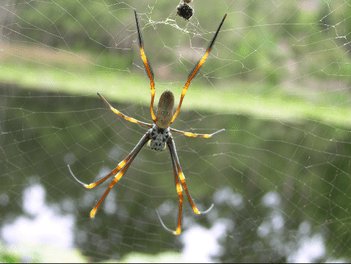
They’re mostly there for the food
A spider in a corner of your garage or basement isn’t there because it likes your décor. It’s there because something else, usually small flying or crawling insects, is providing a food source nearby. A sudden increase in spider webs is often a signal to look for what’s drawing insects into that space in the first place, whether that’s a light left on near a window or a gap letting bugs in. Get rid of the insect population a space is quietly supporting and the spiders that were feeding on them will generally move on within a few weeks, since there’s no reason for them to stay.
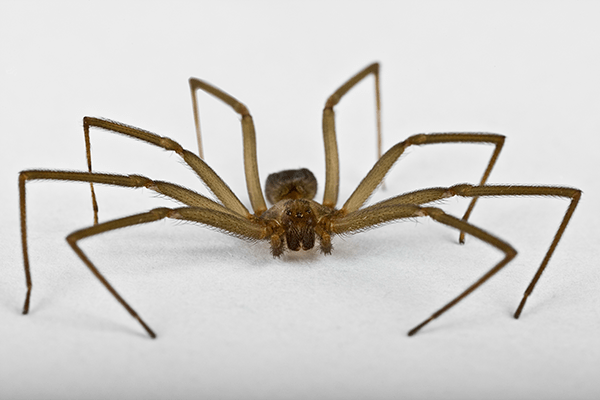
Know your regional exceptions
Most house spiders, cellar spiders, and orb weavers are harmless to people. But a few species are worth knowing by sight depending on where you live. In parts of the US, black widows and brown recluses favor woodpiles, garages, and undisturbed storage boxes. Australian homes need to watch for redback spiders, especially around outdoor furniture and sheds, and funnel-web spiders in parts of New South Wales. In the UK, the false widow has become more common in and around homes over the past couple of decades. None of these are reasons to panic, but they are reasons to wear gloves when moving stored boxes or firewood you haven’t touched in a while.
Bites are rarer than people assume
Even in regions with a genuinely dangerous species present, bites are uncommon, because most spiders will retreat rather than bite unless they’re directly pressed against skin, which is exactly what happens when a hand reaches into a dark glove, boot, or box where one has been resting undisturbed. Shaking out stored footwear and gloves before putting them on, and wearing gloves when clearing out a shed or garage corner that hasn’t been touched in months, addresses most of the actual risk.
Webs tell a story
The shape of a web is often enough to identify what built it. Funnel-shaped webs in corners usually belong to funnel weavers, not the dangerous funnel-web species despite the similar name. Loose, irregular cobwebs in undisturbed corners are typically cellar or house spiders. Neat, circular webs outdoors are orb weavers, which are harmless and genuinely useful in a garden. A web rebuilt overnight in the same spot tells you the spider is still actively living there, while a dusty, torn web that hasn’t been repaired in days usually means it’s already moved on.
Seasonal patterns
Spider sightings indoors tend to spike in late summer and early fall in most temperate climates, partly because that’s when many species reach full size and become more visible, and partly because cooling temperatures push them toward the warmth of a house. This isn’t usually a sign of a growing population so much as normal seasonal movement, and it typically settles down once the weather turns consistently cold.
What actually reduces spiders
- Reducing outdoor lighting near entry points, since light attracts the insects spiders feed on
- Vacuuming webs and egg sacs regularly rather than just knocking them down
- Sealing the same gaps and cracks that let in other pests
- Reducing clutter in garages and basements, since undisturbed piles of boxes or stored items are exactly the kind of shelter spiders and their prey both favor
A quick note on egg sacs
A spider egg sac left undisturbed can hatch dozens of spiderlings at once, which is why a single web with an attached sac in a garage corner or window well is worth removing rather than ignoring, even if the adult spider itself isn’t a concern. Vacuuming it up, rather than just knocking it down, keeps the eggs from simply relocating a few feet away.
What draws spiders indoors in the first place
Beyond an available insect food source, spiders indoors are usually looking for the same things any pest wants: shelter from weather and temperature extremes, and an undisturbed corner to build a web or lay eggs. Cluttered basements, garages with stacked boxes, and window wells with accumulated debris check every box on that list at once, which is why they’re consistently the first place spider activity shows up in a home.
What not to do
Spraying broad-spectrum insecticide directly on a web is largely pointless, since it does nothing to the food source drawing the spider there in the first place, and the spider itself will often simply rebuild a few feet away. Squashing every spider you see also isn’t necessary and works against you in the long run, since a healthy population of harmless web-builders is quietly keeping other indoor pest numbers down. Focus effort on the conditions, light, clutter, gaps, rather than the spiders themselves, and the population tends to correct on its own.
Common House Spiders You’ll Actually See
The spider you’re most likely to spot in a North American or European home is either a cellar spider (long, thin legs, small body, often hanging upside down in a loose web in a basement corner) or a common house spider (rounder body, messier tangled web, often near ceiling corners or window frames). Wolf spiders are ground-dwelling, don’t build webs at all, and are sometimes mistaken for something more dangerous simply because of their size and speed, but they’re harmless and are actually effective hunters of other indoor insects. Jumping spiders, small and often seen on a sunny windowsill, are similarly harmless and among the more beneficial species to leave alone.
Outdoor Web Placement Tells You Something Too
Where a spider builds outdoors is rarely random. Webs strung across porch lights, near outdoor fixtures, or across a doorway that gets used every day usually mean an abundant insect food source right at that spot, often the same porch light that’s drawing moths and other flying insects at night. Switching a bright white porch bulb for a warm-toned or yellow bug light reduces how many insects it attracts in the first place, which in turn reduces how appealing that spot is to a web-building spider looking for food.
Do Spiders Actually Help Control Other Pests?
Yes, meaningfully so. A single spider can consume dozens of insects over its lifespan, including some genuine nuisance and disease-relevant pests like mosquitoes and flies. This is part of why we don’t recommend treating every spider sighting as a problem to eliminate; a low, steady population of harmless web-builders in a garage or basement is doing measurable pest suppression work for free. The goal with spider management isn’t zero spiders, it’s keeping the population at a level that isn’t building up in living spaces or multiplying faster than is reasonable.
A Couple of Myths Worth Retiring
The idea that the average person swallows several spiders a year in their sleep is a persistent internet myth with no real basis; spiders have no reason to crawl toward a breathing, moving person, and vibration from breathing is more likely to send one away than toward you. Another common myth is that all spiders build the kind of neat, circular web most people picture; in reality many common house species build irregular, tangled webs, or don’t build a standing web at all and hunt actively instead, like wolf spiders and jumping spiders.
A quick question people ask
Should I kill every spider I find inside? Not necessarily. If it’s a species you don’t recognize as one of the regionally dangerous ones and it’s in a low-traffic area like a basement or garage corner, leaving it alone often does more good than harm. If you’re not confident identifying it, or it’s in a space where kids or pets spend a lot of time, relocating it outside with a cup and paper is a reasonable middle ground between killing it and leaving it exactly where it is.
Spiders vs. Other Web-Building Insects
Not everything that spins silk in a corner is a spider. Some moth larvae and certain beetle species leave webbing-like material around stored food or fabric, which gets mistaken for spider activity fairly often. The giveaway is what’s caught in it: a true spider web usually has insect remains or a visible spider nearby, while webbing around a box of pasta or a wool sweater with no spider in sight is more likely a pantry or fabric pest, which calls for a completely different response than anything spider-related.
When to actually worry
A shift from occasional single spiders to noticeably more webs across multiple rooms in a short period is worth paying attention to, since it usually means the insect population they’re feeding on has grown too. Bites that cause spreading redness, significant pain, or symptoms beyond mild local swelling warrant medical attention, particularly in regions where black widows, brown recluses, or redbacks are established. For most households in most regions, though, a spider or two in a basement corner is simply part of having a house.
If you’re seeing a species you don’t recognize, or webs are showing up faster than you can manage them, it’s worth getting an accurate identification before deciding how to handle it. That’s usually the point where a quick look from a pest controller saves more time than continuing to guess.