Georgia
Pest Control Gainesville, GA
Natural pest control options for Gainesville homes and businesses, built for North Georgia fire ant, termite, mosquito and seasonal rodent pressure, using non-toxic, low-impact products that are safe around kids and pets.
Natural, guaranteed pest control — free quotes, no long-term contract, safe around kids and pets.
Common Pests in Gainesville
What we treat most often around Gainesville, Georgia
Gainesville sits in Georgia's humid Piedmont region, where fire ants, mosquitoes and cockroaches are near-constant pressure through the warmer months. Fire ants mound quickly in lawns and along walkways after rain, and the shoreline and coves of Lake Lanier keep mosquito numbers elevated for any property with a dock, a low yard or gutters that hold water. Cockroaches move indoors more readily as heat and humidity climb.
Termites stay active in the clay-heavy soil common across North Georgia, with swarms typically picking up as spring warms, and carpenter ants show up in older homes with any wood-moisture contact, such as a shaded porch, an aging deck or original siding. Fall brings rodents and the occasional stink bug or lady beetle invasion as temperatures drop and pests look for a way indoors. Because the mix of older housing, newer construction and lake proximity changes what a property faces, our pest management plans follow the season and the property rather than a single template.
How We Fix It
Pest control services in Gainesville
Mosquito Control
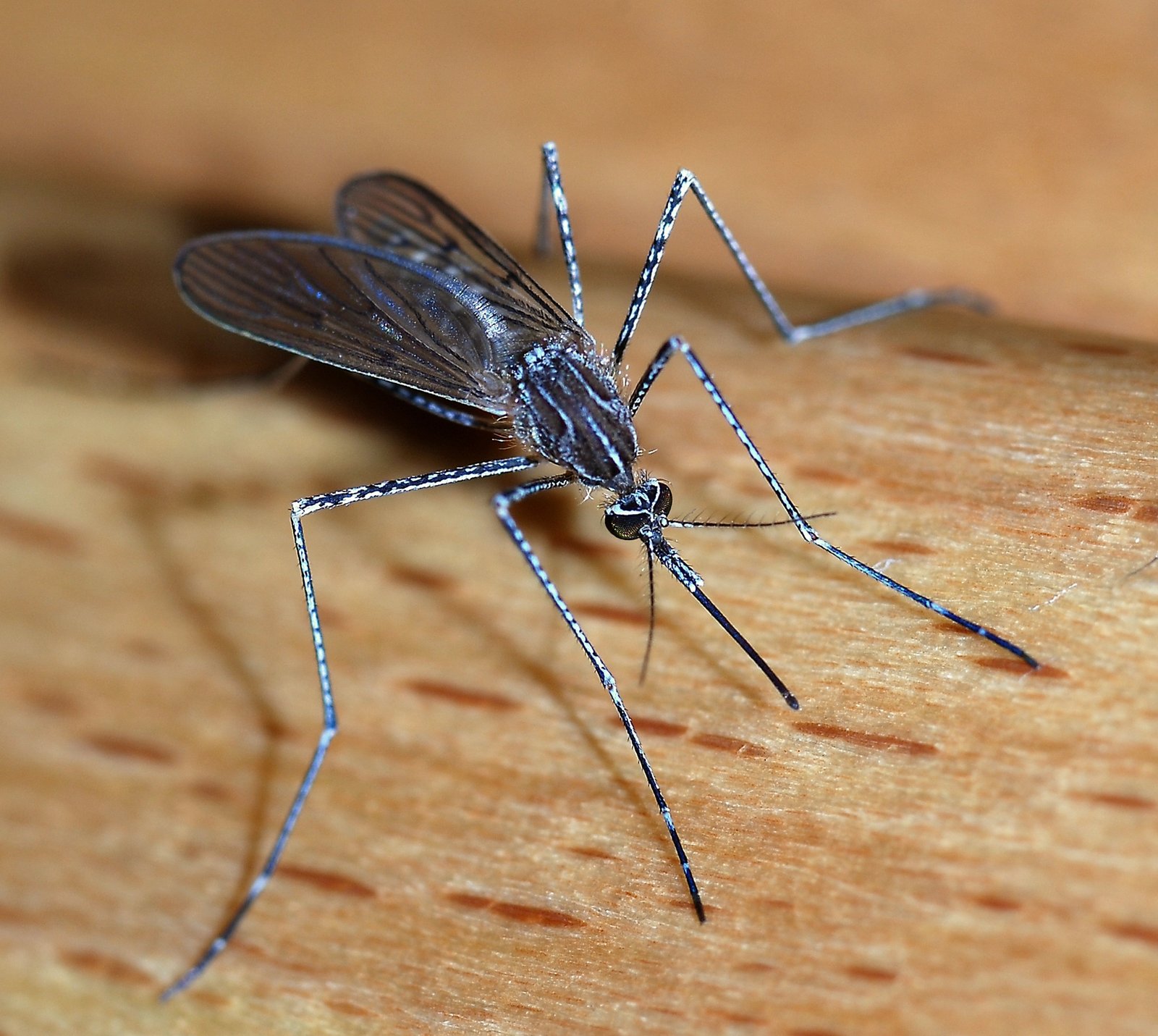
Mosquitoes only need a bottle cap of standing water to breed, so the fix isn't just spraying the yard, it's finding where they're coming…
Learn more →
Termite Control
Subterranean and drywood termite treatment that protects your home's structure — natural-first, guaranteed, and safe for the people and pets who live there.
Learn more →
Ant Treatment
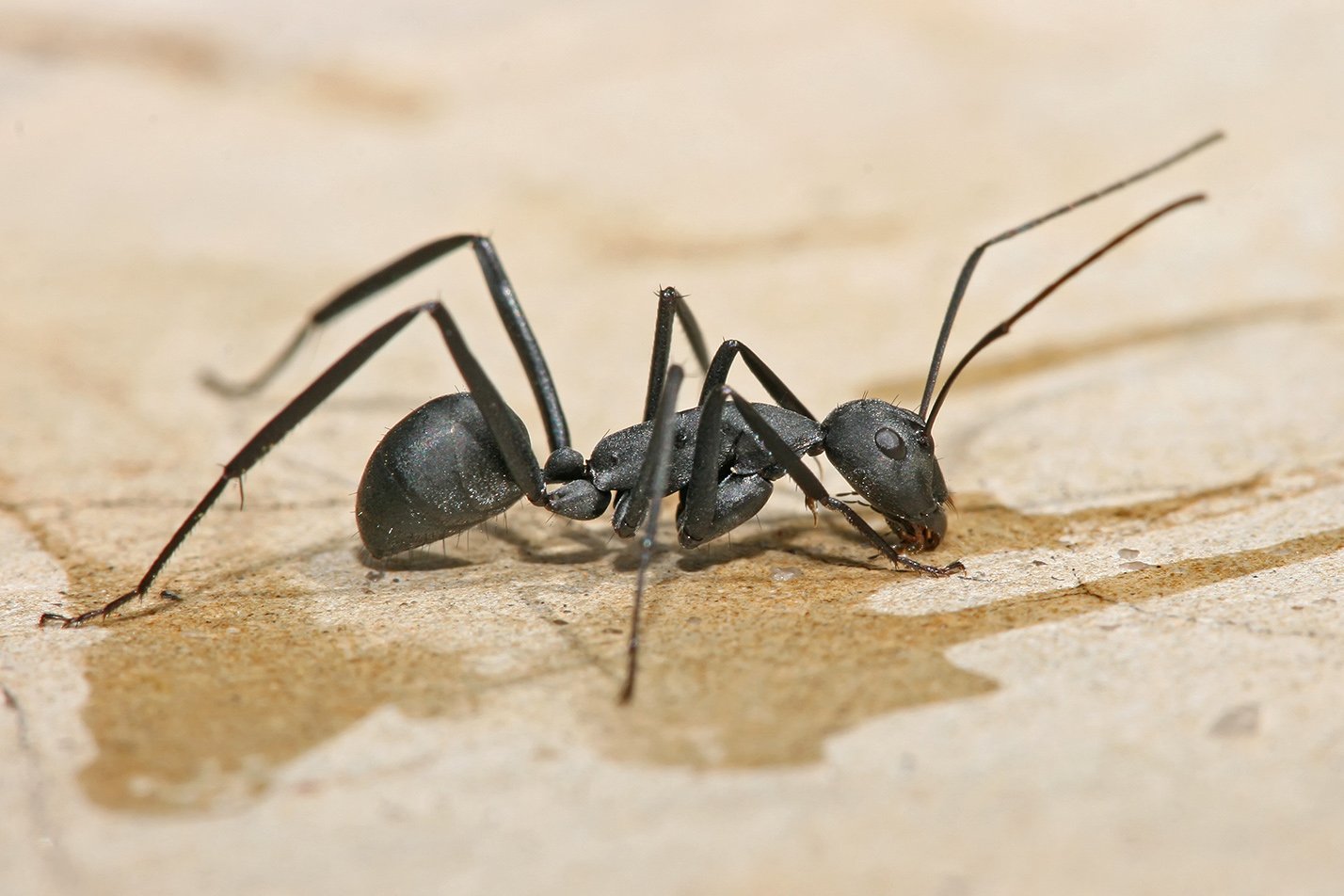
A trail of ants across your kitchen counter is a scouting report, not the whole problem. We find the colony behind it and treat…
Learn more →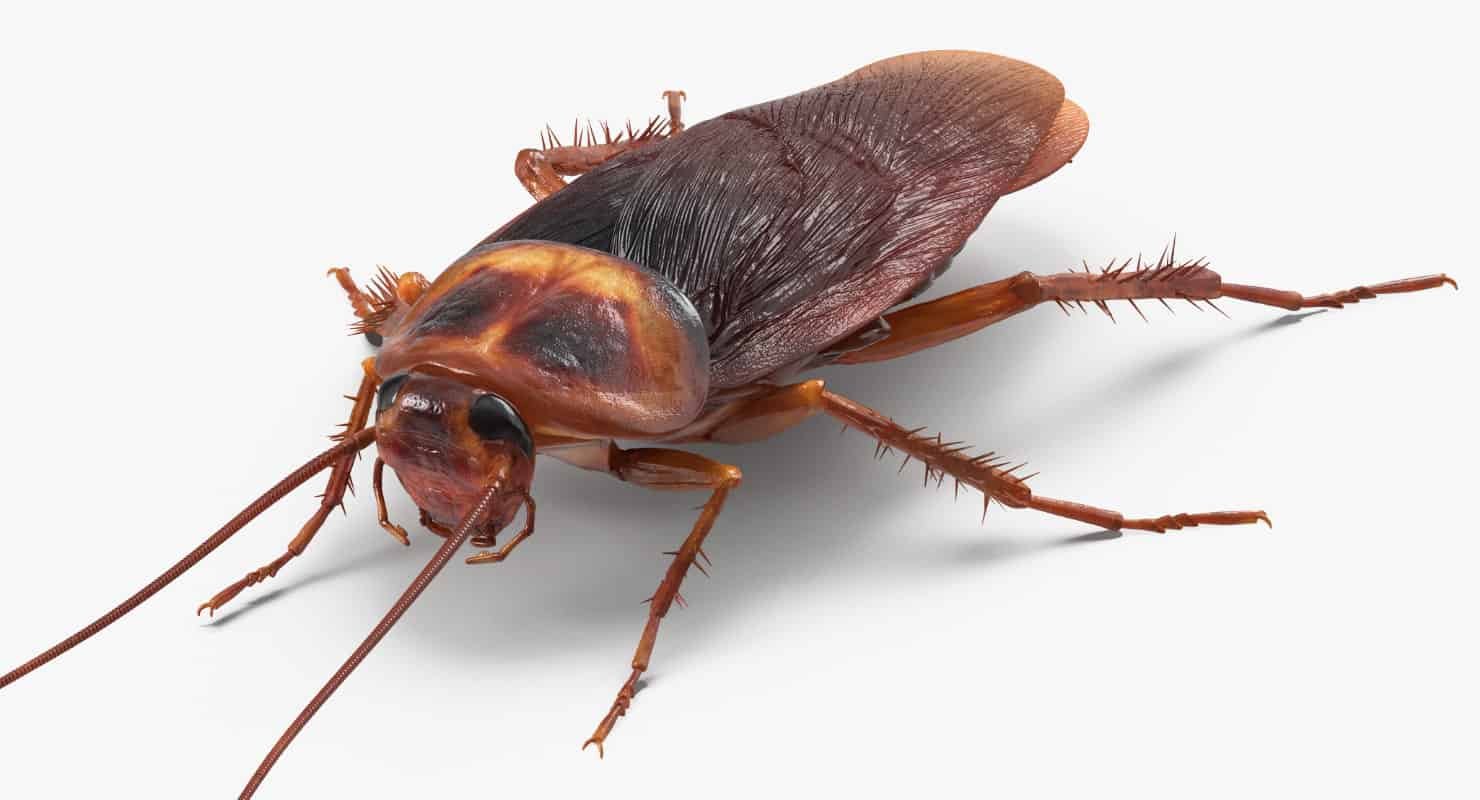
Cockroach Control
Cockroaches don't need much to move in: a damp corner, a crumb trail, and a gap the width of a coin. We find where…
Learn more →
Rodent Control
Mice and rat control that finds the entry points, not just the symptoms — trapping and exclusion that actually keeps rodents out, guaranteed.
Learn more →
Fly Control
Fly problems almost always trace back to something specific — a drain, a dumpster, a piece of forgotten food waste — and finding that…
Learn more →Neighborhoods We Serve
Neighborhoods We Serve in Gainesville
Gainesville's older mill villages come with their own pest patterns, while lakeside and newer areas face a different mix.
Chicopee
Chicopee, south of downtown, grew up as company housing for a textile mill. Its older bungalows and cottages, many with original wood siding and mature shade trees, give termites and carpenter ants a lot more to work with than a modern build does.
Wikipedia ↗Wikidata ↗New Holland
New Holland is another mill village and shares the older housing stock and tree cover found in Chicopee. We see the same steady wood-pest pressure here.
Lake Sidney Lanier Shoreline
Neighborhoods along the Lake Sidney Lanier shoreline deal with mosquitoes. Lake-adjacent lots hold humidity and standing water in ways that inland Gainesville properties simply do not, and that shapes almost every treatment plan for a lakefront or near-lake home.
Wikipedia ↗Wikidata ↗Lake Lanier Coves
Neighborhoods along the coves that feed into Lake Sidney Lanier deal with a very different problem from the mill villages: mosquitoes. Lake-adjacent lots hold humidity and standing water in ways that inland Gainesville properties do not.
GA-60 Corridor
Newer residential growth along the GA-60 corridor sits on more recently graded ground. That shifts the balance toward fire ants and mosquitoes breeding in fresh landscaping rather than the older-home wood-pest issues common in the mill villages.
GA-53 Corridor
Newer residential growth along the GA-53 corridor sits on more recently graded ground. That shifts the balance toward fire ants and mosquitoes breeding in fresh landscaping rather than the older-home wood-pest issues common in the mill villages.
Getting around
Getting Around Gainesville
Interstate 985 links Gainesville to the Atlanta metro area, and GA-53 and GA-60 (Candler Road and Queen City Parkway) intersect the corridor. US-129 and GA-11 (Athens Highway) run through the main part of the city, and US-129 continues north out of downtown as Jesse Jewell Parkway before becoming Cleveland Highway, with Limestone Parkway connecting the two.
Knowing whether a property sits closer to the I-985 and Lake Lanier side of town or out toward the older mill villages tells us a lot about whether we are dealing with lake-driven mosquito pressure or older-home termite and carpenter ant risk.
Local landmarks
Local Landmarks
Lake Sidney Lanier
Lake Sidney Lanier is the large reservoir formed by Buford Dam on the Chattahoochee River. It is a major factor in Gainesville's pest profile, and any property near its shoreline or coves deals with elevated mosquito pressure through most of the warm season.
Wikipedia ↗Wikidata ↗Elachee Nature Science Center
The Elachee Nature Science Center, next to the Chicopee Woods area, is a reminder of how much wooded, undeveloped land still borders Gainesville's residential neighborhoods, particularly on the south side near Chicopee.
Downtown Gainesville Square
Downtown Gainesville's square, home to shops and restaurants, anchors the commercial core of the city.
Brenau University
Brenau University, near downtown, brings a mix of older campus buildings and surrounding rental housing that generates its own pattern of cockroach and rodent calls.
Wikipedia ↗Wikidata ↗
Local knowledge
Piedmont Geography, Lake Lanier, and What It Means for Pest Pressure
Gainesville sits in Georgia's humid Piedmont region, and its position on Lake Lanier adds a layer of pest pressure most inland North Georgia towns do not deal with to the same degree. Standing water around the lake's coves and inlets, plus the humidity that lake proximity holds in the air even a few blocks back from the shoreline, keeps mosquito populations high through spring and summer. Any homeowner with a dock, a low-lying yard near a cove, or gutters that collect runoff close to the water should expect more consistent mosquito pressure than a similar property on higher, drier ground elsewhere in Hall County.
The clay-heavy soil across the Piedmont keeps subterranean termites active in Gainesville's older neighborhoods, and swarms tend to show up hardest each spring in areas like Chicopee and New Holland, where older wood-frame construction gives colonies an easy target. Carpenter ants follow a similar pattern, showing up in older homes with any wood-moisture contact, whether that is a shaded porch, an aging deck, or original siding that has held moisture against the frame for decades. Fire ants are a near-constant presence in lawns and along walkways citywide through the warmer months. Fall brings a shift as temperatures drop: rodents start looking for a way indoors, and stink bugs or lady beetles look for gaps around windows and siding, a pattern that tends to hit older homes with original wood and trim especially hard.
Local knowledge
Older Mill Homes Versus Newer Lake-Area Construction
The contrast between Gainesville's older mill villages and its newer growth along the lake and outlying corridors shows up clearly in the service calls we run. Homes in Chicopee and New Holland were mostly built decades ago, many on pier or crawl-space foundations with original wood siding, trim and window frames that have shifted and settled over time. That combination gives subterranean termites and moisture-loving pests a more direct path into the structure than a modern slab home has, and mature trees planted around these neighborhoods now sit close enough to homes to give carpenter ants easy access to eaves, porches and fascia boards. We spend extra time checking crawl space vents, foundation grade and wood-to-soil contact on these properties because that is where many termite and carpenter ant problems start.
Newer homes along the GA-60 and GA-53 corridors, and especially those closer to Lake Lanier's coves, are more often built on slabs, which cuts down on direct termite entry points but does not remove the risk entirely, since Piedmont clay holds moisture against any foundation. What changes most for these properties is mosquito exposure. A dock, a low yard near a cove, or a drainage feature built into newer landscaping all create the standing water mosquitoes need. Rental and student housing near Brenau University adds another layer, with dense occupancy and older multi-family buildings generating steadier cockroach and rodent activity than typical single-family lots.
Local knowledge
How the Seasons Play Out in Gainesville
North Georgia gets real winter weather, with more frequent freezes than the Gulf Coast, which knocks back fire ant and mosquito activity more thoroughly here. Even so, Piedmont clay stays damp enough through most winters that termite colonies rarely go fully dormant, and swarms typically pick up as temperatures warm through March and April, especially in older wood-frame homes. Spring also kicks off the first real mosquito activity of the year around Lake Lanier's coves, as warming water and spring rain create breeding conditions that build steadily into summer.
Summer is peak pest season across the board. Fire ants mound aggressively in lawns and along walkways, mosquito pressure peaks for any property near the lake or holding standing water in gutters and containers, and cockroaches move indoors as the heat and humidity climb. Carpenter ants stay active through the warm months, particularly in tree-shaded older neighborhoods. As temperatures drop in fall, mosquito activity eases off, but rodents start looking for a way indoors ahead of the first hard frosts, and stink bugs and lady beetles appear around windows, siding and attic gaps. Because older mill housing, newer lake-area development and Piedmont clay interact differently through the year, our exterminators treat Gainesville properties seasonally rather than assuming one visit covers the whole year. Pricing depends on the property and the pests, and a free quote comes first.
Nearby
Also serving towns near Gainesville
- Pest control in Oakwood6 mi
- Pest control in Flowery Branch10 mi
- Pest control in Braselton13 mi
- Pest control in Buford16 mi
- Pest control in Jefferson17 mi
- Pest control in Dahlonega18 mi
- Pest control in Cumming19 mi
- Pest control in Sugar Hill19 mi
- Pest control in Dawsonville20 mi
- Pest control in Auburn20 mi
- Pest control in Commerce21 mi
- Pest control in Baldwin21 mi
Why It Works
Guaranteed, not just promised.
Satisfaction Guaranteed
If it's not gone, we come back — free.
Safe & Humane
Natural methods, safe around kids and pets.
No Long-Term Contracts
Stay because it works — not because you're locked in.
Find Us
Serving Gainesville, Georgia
What Customers Say
Real reviews from our Google Business Profile.
“I am very happy with the results that Natural Pest Solutions was able to provide as far as the speed of their work and also the problem with ants in my home was able to be resolved quickly which gave me peace of mind. I would recommend this pest control company to anyone having issues with bugs.”
Stefano Merci — Google review
View on Google →“I am really pleased with the guys at Natural Pest Solutions, they got rid of my rodent problem quickly and those mice have not been back. I highly recommend these guys, they are the best pest control company around.”
Shawn Kern — Google review
View on Google →“I really am impressed with the great customer service and how quickly they came to help me with my rodent problem. After doing a pest inspection they found that the problem was much worse than I expected, but the guys at Natural Pest Solutions came to my rescue and got rid of all these nasty pests in my home.”
Phillip Pond — Google review
View on Google →Questions
What People in Gainesville Ask Us
How much does pest control cost in Gainesville, GA?
It depends on property size and which pests are active, whether that is fire ants, termites, or rodents moving in for fall. A lakefront home with mosquito issues is scoped differently from a Chicopee bungalow with wood-pest concerns. We start with a free quote so you know the cost first.
Are fire ants a big problem in Gainesville, GA?
Fire ants are near-constant pressure through Gainesville's warmer months. Mounds appear quickly in lawns and along walkways, often within days of heavy rain. We use natural pest control options that are safe around kids and pets, so treated lawns are not off limits for long.
How soon can someone come out in Gainesville?
We cannot promise a specific time, but we schedule you as quickly as we can after you request a free quote. Mention it if fire ants are near a play area or you are seeing signs of rodents or termites, since those tend to worsen the longer they sit.
Is pest control safe for kids and pets in Gainesville homes?
That is central to how we work. We use non-toxic, low-impact products chosen for the fire ant, termite and rodent pressure Gainesville homes see, and we explain where products go and how long to keep pets clear. Families near Lake Lanier often ask about dock and yard areas, and we cover those too.
Do I need pest control in Gainesville during the summer?
Summer is when Gainesville homes see the most activity, with fire ants, mosquitoes and cockroaches all pushing hard in the heat and humidity. Lake-area yards with standing water are hit hardest. Regular service through that stretch helps you stay ahead of problems rather than reacting to an infestation already inside.
Why do I see more rodents and stink bugs in Gainesville in the fall?
As nights cool, rodents and stink bugs look for warm shelter, and older homes with gaps around trim, siding and crawl-space vents make easy targets. Carpenter ants can also turn up in wood that has held moisture. Sealing entry points before the first hard frost is the best prevention.
Keep exploring
More from Natural Pest Solutions
- Pest control in Gainesville: full service-area guide
- Pest control across Georgia
- All pest control services
- Pest encyclopedia: identify what you are seeing
- All of our locations
- Customer reviews
- Pest control tips from our blog
- Contact us for a free quote
About the area
Gainesville
Wikipedia ↗Wikidata ↗Georgia
Wikipedia ↗Wikidata ↗
Learn More
Trusted resources for Gainesville homeowners
Public-health, regulator and university guidance on safe pest control.
- UGA Extension ↗University of Georgia guidance on household pests.
- EPA: Controlling Pests ↗U.S. guidance on choosing and using pest control safely.
- National Pesticide Information Center ↗Pest-by-pest fact sheets from Oregon State University and the EPA.
Ready to stop worrying about pests in Gainesville?
Talk to a real expert — no pressure, no toxic chemicals, no contract required.
Recognized by the organizations that set the standard