London
Pest Control Archway, London
From Victorian terraces off Highgate Hill to converted flats along Holloway Road, Archway's older housing gives rats, cockroaches and wasps plenty of ways in. Natural Pest Solutions treats the cause, not just what you can see, using natural pest control options.
Natural, guaranteed pest control — free quotes, no long-term contract, safe around kids and pets.
Common Pests in Archway
What we treat most often around Archway, London
Archway's housing does most of the work here. The area is built on Victorian and Edwardian terraces, many converted into flats with shared party walls and older brickwork, and that construction lets Norway rats travel between properties along drains and cavity gaps, particularly near Whittington Park and the junctions off Archway Road. German cockroaches turn up in the kitchens of converted flats where several households share pipework and bin stores. Frequent tenant turnover around Holloway Road is a steady source of bed bug call-outs after moves.
In summer, common wasps build nests in loft voids under the pitched roofs typical of N19 terraces, and grey squirrels exploit the same roof access points once colder weather sets in. Add feral pigeons on flat-roofed extensions and clothes moths working through wool carpets in older properties, and the workload is steady all year. Our products are non-toxic, low-impact and safe around kids and pets.
How We Fix It
Pest control services in Archway
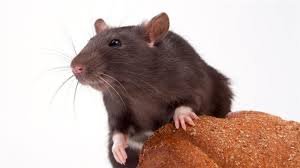
Rodent Control
Mice and rat control that finds the entry points, not just the symptoms — trapping and exclusion that actually keeps rodents out, guaranteed.
Learn more →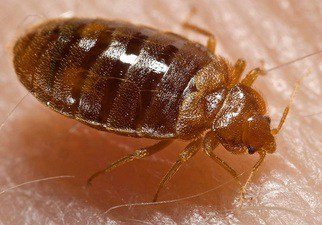
Bed Bug Treatment
Thorough, discreet bed bug treatment for homes, hotels, and multi-unit properties — natural-first, with follow-up built into every plan.
Learn more →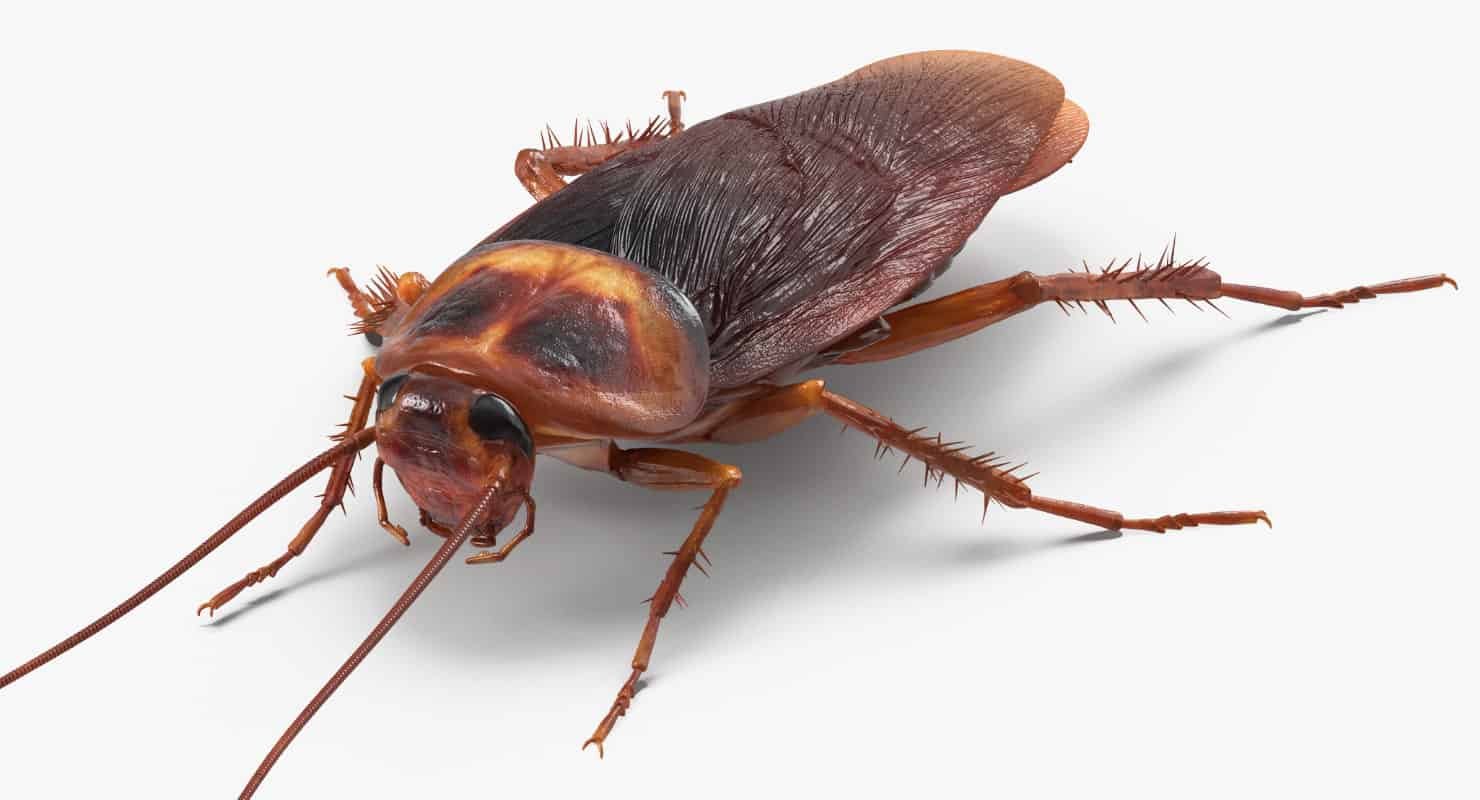
Cockroach Control
Cockroaches don't need much to move in: a damp corner, a crumb trail, and a gap the width of a coin. We find where…
Learn more →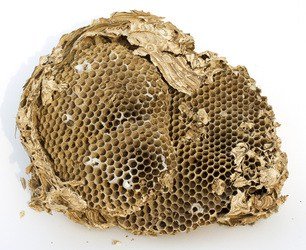
Wasp & Hornet Control
Fast, safe removal of wasp and hornet nests — different pest, different approach than beehive removal, and not something worth handling yourself.
Learn more →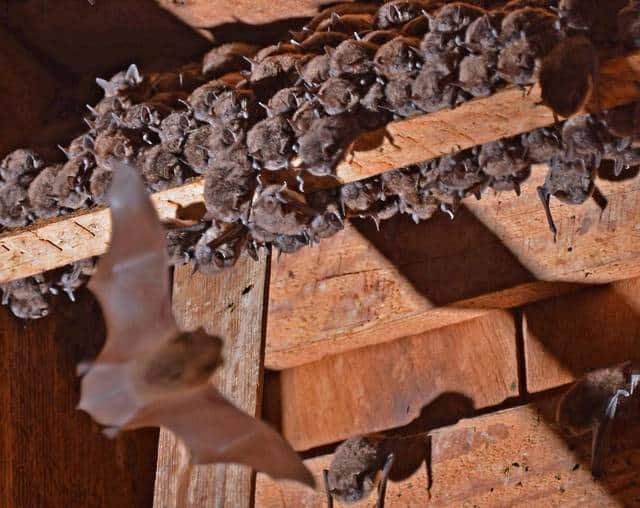
Bat & Bird Removal
Scratching in the attic at dusk, droppings staining the soffit, a nest jammed in the dryer vent — bats and birds get into the…
Learn more →Pest Inspections
A room-by-room, crawlspace-to-attic inspection that tells you exactly what's active on your property, and what to do about it, before you sign a lease,…
Learn more →Neighborhoods We Serve
Neighbourhoods We Serve Around Archway
Archway sits in the London Borough of Islington, at the northern end of N19 where the borough meets Haringey. It is a compact patch of London, so the streets we work do not stop at the Archway junction itself, and we cover the surrounding areas too.
Upper Holloway
The streets running off Holloway Road are dense with converted Victorian terraces and a mix of council and ex-council blocks. A subdivided Upper Holloway terrace with a shared bin store out back brings a different set of pests than a big garden house.
Tufnell Park
South-west along Junction Road, Tufnell Park has larger period houses and a fair number of family conversions with side-return extensions. Its bigger period houses often keep internal layouts closer to their original single-family design, which changes how far a rodent problem can spread within one building.
Highgate
Up the hill to the north, Highgate is a mix of large detached houses near the village and denser terraces lower down toward Archway. The larger houses, particularly near the village and along Southwood Lane, tend to have more garden, more mature trees and correspondingly more wasp and ant activity through summer.
Wikipedia ↗Wikidata ↗Crouch End
Over the Haringey border to the north-east, Crouch End is reached from Archway along the Parkland Walk. It mixes Victorian terraces with 1930s infill and postwar blocks, so housing varies more from street to street than the uniform terraces closer to the Archway junction.
Holloway and Nag's Head
The Holloway and Nag's Head area lies south along Holloway Road, where Victorian stock has been converted into rental flats and tenants move in and out often.
Finsbury Park
Finsbury Park lies to the east, where Islington, Haringey and Hackney meet. The Finsbury Park border mixes Victorian terraces with 1930s infill and postwar blocks, and flat-roofed rear extensions there attract feral pigeons.
Wikipedia ↗Wikidata ↗
Getting around
Getting Around Archway
The A1 runs through the middle of the area. It is Archway Road heading north up to Highgate, and it becomes Holloway Road south of the Archway gyratory, running down toward Nag's Head. Junction Road heads south-west toward Tufnell Park and Kentish Town, and Hornsey Road links Holloway with Finsbury Park.
Archway Underground station, on the Northern line, sits at the gyratory and anchors most of the area. Upper Holloway Overground station, a short walk away, connects to the Overground line between Gospel Oak and Barking. With those two stations and the bus routes along Holloway Road and Archway Road, this is a well-connected stretch of London, which also means a lot of turnover in the flats along those corridors: tenants moving in and out, furniture going kerbside, and the odd infestation travelling with it.
That connectivity cuts both ways for pest control. Good transport links are part of why so much of Archway's Victorian stock has been converted into rental flats, and a steady churn of tenants means secondhand furniture, mattresses and moving boxes passing through the same buildings. Bed bug and cockroach call-outs tend to cluster around the streets closest to the two stations, simply because that is where short-term rentals are concentrated.
Local landmarks
Local Landmarks
Whittington Hospital
The Whittington Hospital, on Highgate Hill just north of the Archway junction, is a useful reference point for anyone giving directions.
Waterlow Park
Waterlow Park is a short walk from the Whittington Hospital on Highgate Hill, just north of the Archway junction.
Wikipedia ↗Wikidata ↗Whittington Park
Whittington Park is a smaller green space closer to the Archway junction that Upper Holloway residents use often.
Hornsey Lane Bridge
Hornsey Lane crosses over Archway Road on the Hornsey Lane Bridge, just north of the tube station.
Navigator Square
Navigator Square, by the gyratory, marks the centre of Archway.
Parkland Walk
The Parkland Walk runs along an old railway line toward Highgate and Crouch End. It is a nature reserve that many homes in the area back onto.
Wikipedia ↗Wikidata ↗
Local knowledge
Victorian Housing and What It Means for Pest Control
Archway's built environment is the real story here. Most of N19 went up in the Victorian and Edwardian period as terraced housing for a growing London, and a large share of that stock has since been carved into flats. That is a major factor driving pest activity in this part of Islington.
Converted terraces share party walls, and old brickwork with lime mortar that has shifted over a century tends to develop the small gaps and cavities that rats and mice use to move between units without crossing open ground. A neighbour dealing with a rodent problem two doors down on a shared terrace in Upper Holloway or Tufnell Park is an early warning sign for the rest of the row. We handle a lot of rodent control around Archway for this reason: not because the area is dirty, but because the housing stock makes it easy for rodents to travel.
Roof space is another recurring issue. The pitched slate roofs common on Archway and Highgate terraces give common wasps somewhere quiet to build through spring and summer, usually in a loft void or under eaves that have not been checked in years. Wasp nest treatment calls in N19 run from June through September, and it is worth having a loft checked before a nest grows large, particularly in a converted building where the loft belongs to the top-floor flat but affects everyone below. Our wasp and hornet control service covers loft and eave nests.
Flat-roofed extensions, common on the rear of Upper Holloway and Finsbury Park terraces, attract feral pigeons, and once birds are nesting on a warm flat roof next to a kitchen extension, droppings and nesting material become a hygiene issue fast. We see this pattern repeat on the same streets year after year.
Kitchens in converted flats bring their own problem. Where a Victorian terrace has been split into three or four flats, households often still share drainage and bin storage at ground level, and that shared infrastructure is how German cockroaches move between units once established. We treat a fair number of cockroach jobs in subdivided buildings, and because the pest can travel through shared pipework, treating a single flat in isolation rarely solves it for good. The whole stack usually needs attention.
Colder months bring a different pattern. As temperatures drop, grey squirrels that spent the warmer months in the mature trees around Whittington Park and Waterlow Park start looking for a way into lofts, often using the same soffit gaps and worn roof tiles that let wasps in earlier in the year. Clothes moths are a year-round nuisance in older properties around Highgate and Tufnell Park, working through wool carpets and stored clothing in houses that have had the same soft furnishings for decades.
None of this is unusual for a part of London built out in the Victorian era. It just means Archway homes, whether a Highgate house with a garden or a one-bed conversion off Holloway Road, need an approach built around old brick, shared walls and roof access rather than a generic plan. Shared bin stores at the front or in a rear yard are worth checking too: they draw rats and foxes when collections slip or bags are left out overnight, and sorting the storage often does as much long-term good as the treatment itself. If you are unsure where to start, ask for a free quote and check with your council about communal waste arrangements at your address.
Why It Works
Guaranteed, not just promised.
Satisfaction Guaranteed
If it's not gone, we come back — free.
Safe & Humane
Natural methods, safe around kids and pets.
No Long-Term Contracts
Stay because it works — not because you're locked in.
What Customers Say
Real reviews from our Google Business Profile.
“Excellent advice and treatment of carpet beetles. Would recommend them.”
Kathleen Boulanger — Google review
View on Google →“I am very happy with the service I received from Natural Pest Solutions, they took my call right away and came right out and inspected my home and found the source of my ant problem and since they were here I have not seen a single bug around. I would recommend these guys to anyone needing pest control services.”
Rick Gruenke — Google review
View on Google →Questions
What People in Archway Ask Us
How much does pest control cost in Archway?
Pricing depends on the property and the pests. A converted flat with shared party walls may need more exclusion work than a self-contained house, and rats need a different plan from moths. We start with a free quote so you know what is involved before any treatment is booked.
Is Archway a bad area for rats?
The area's Victorian and Edwardian terraces, often converted into flats with shared walls and older brickwork, give Norway rats routes between properties along drains and cavity gaps. Scratching in a party wall or droppings near a shared bin store are signs to act on, since rats can move between neighbouring flats quickly.
How fast can someone come out for pest control in Archway?
It depends on the pest and how busy we are. Tell us what you are seeing when you request a free quote. A rat sighting or a wasp nest near a communal entrance will be given priority, and we will schedule you as quickly as we can.
Do I need pest control after moving into a rental in Archway?
It is worth a check. Frequent tenant turnover around Holloway Road means bed bugs can arrive with luggage and secondhand furniture. Look along mattress seams and headboards shortly after moving in for dark spots or live bugs, because catching them early keeps them from spreading through a shared building.
Are German cockroaches common in Archway flats?
They can be in converted buildings where households share pipework and bin stores, since those routes let them move between units. They favour warm kitchens, so repeated sightings near a cooker or under a sink deserve prompt attention. Treating the whole building, not one flat, gives the best chance of clearing them.
What about wasps and squirrels in loft spaces around Archway?
Common wasps often nest in loft voids under the pitched roofs typical of N19 terraces during summer. Grey squirrels look for entry through worn tiles and soffit gaps as it turns cold. A loft that hosted a nest in July is worth rechecking before winter for squirrel access.
Are your treatments safe for a small flat with children or pets?
We use non-toxic, low-impact products that are safe around kids and pets, and pair them with practical steps such as sealing gaps, fixing bin storage and clearing clutter. In small flats we explain where to keep pets and food during and after a visit so you know what to expect.
Keep exploring
More from Natural Pest Solutions
- All pest control services
- Pest encyclopedia: identify what you are seeing
- All of our locations
- Customer reviews
- Pest control tips from our blog
- Contact us for a free quote
About the area
Archway
Wikipedia ↗Wikidata ↗London
Wikipedia ↗Wikidata ↗
Learn More
Trusted resources for Archway homeowners
Public-health, regulator and university guidance on safe pest control.
- UK Health and Safety Executive: Pesticides ↗How pesticides are regulated in the UK.
- National Pesticide Information Center ↗Pest-by-pest fact sheets from Oregon State University and the EPA.
Ready to stop worrying about pests in Archway?
Talk to a real expert — no pressure, no toxic chemicals, no contract required.
Recognized by the organizations that set the standard