British Columbia
Pest Control Langley, BC
Langley's mix of older Fort Langley homes, working farms and fast-growing Willoughby subdivisions means pest pressure looks different from block to block. We treat what is actually happening on your property, not a generic Fraser Valley checklist.
Natural, guaranteed pest control — free quotes, no long-term contract, safe around kids and pets.
Common Pests in Langley
What we treat most often around Langley, British Columbia
Langley sits in the wet belt of the Fraser Valley, and the combination of heavy fall rain and a landscape still full of farms, horse properties and blueberry fields shapes what shows up at the door. Carpenter ants are the most common structural call, especially in older homes around Fort Langley and Murrayville, where damp rooflines, aging decks and shaded crawlspaces give them the soft, moisture-damaged wood they nest in. May and June swarms are a regular complaint.
The Nicomekl and Salmon River corridors, along with the drainage ditches running through Langley's farmland, keep ground moisture high enough to push Norway rats and deer mice indoors once the weather turns in October. Newer Willoughby townhomes are not immune either, since construction-stage gaps and shared walls give mice an easy way in during their first winter. Come spring, hobo spiders and giant house spiders move out of woodpiles and outbuildings into garages and basements as temperatures rise.
How We Fix It
Pest control services in Langley
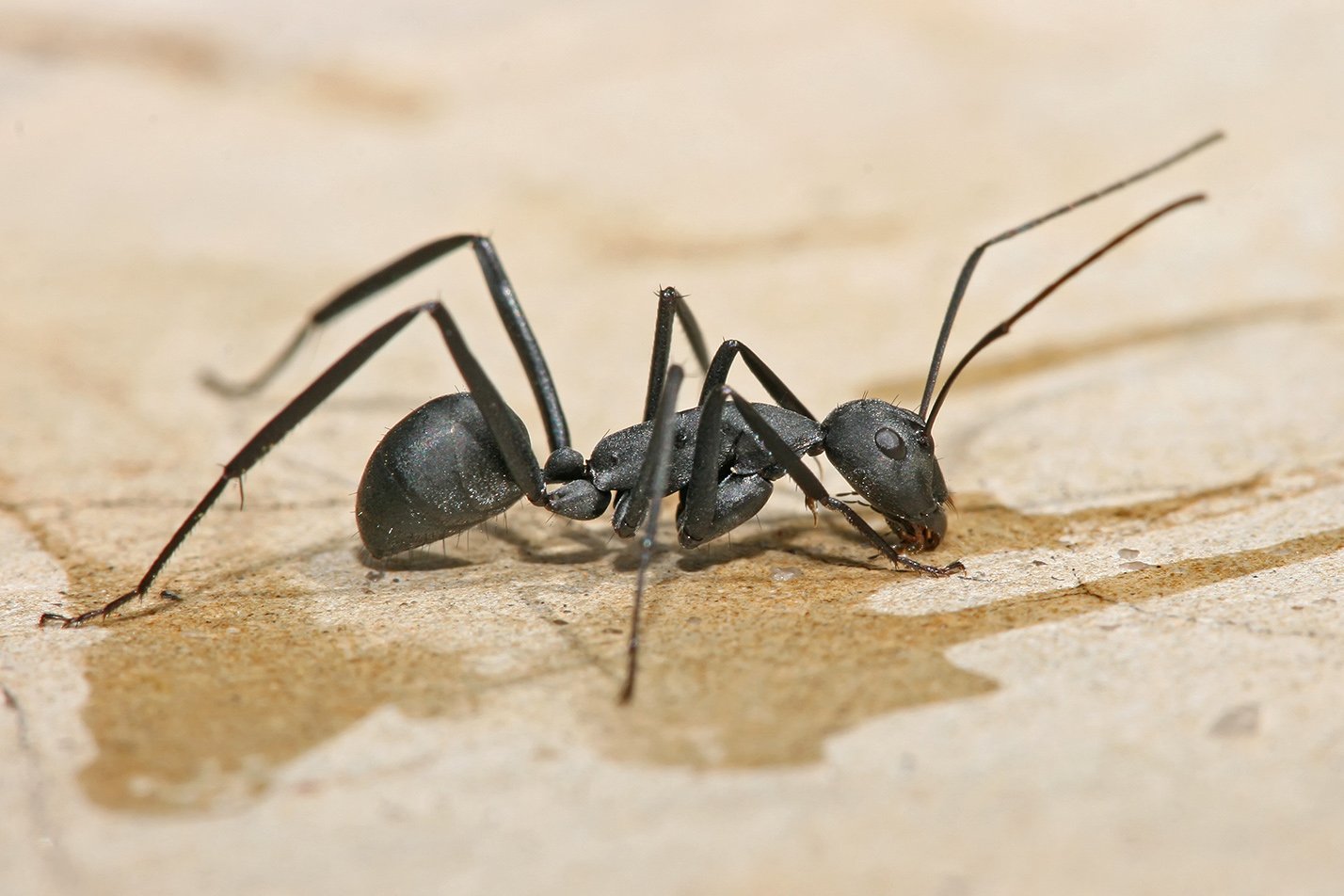
Ant Treatment
A trail of ants across your kitchen counter is a scouting report, not the whole problem. We find the colony behind it and treat…
Learn more →
Rodent Control
Mice and rat control that finds the entry points, not just the symptoms — trapping and exclusion that actually keeps rodents out, guaranteed.
Learn more →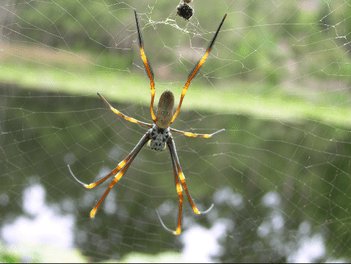
Spider Control
Spiders move in wherever the food supply and hiding spots are, so a few webs in the garage rarely stay a few for long.…
Learn more →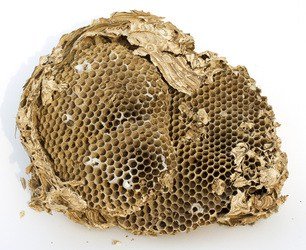
Wasp & Hornet Control
Fast, safe removal of wasp and hornet nests — different pest, different approach than beehive removal, and not something worth handling yourself.
Learn more →Pest Inspections
A room-by-room, crawlspace-to-attic inspection that tells you exactly what's active on your property, and what to do about it, before you sign a lease,…
Learn more →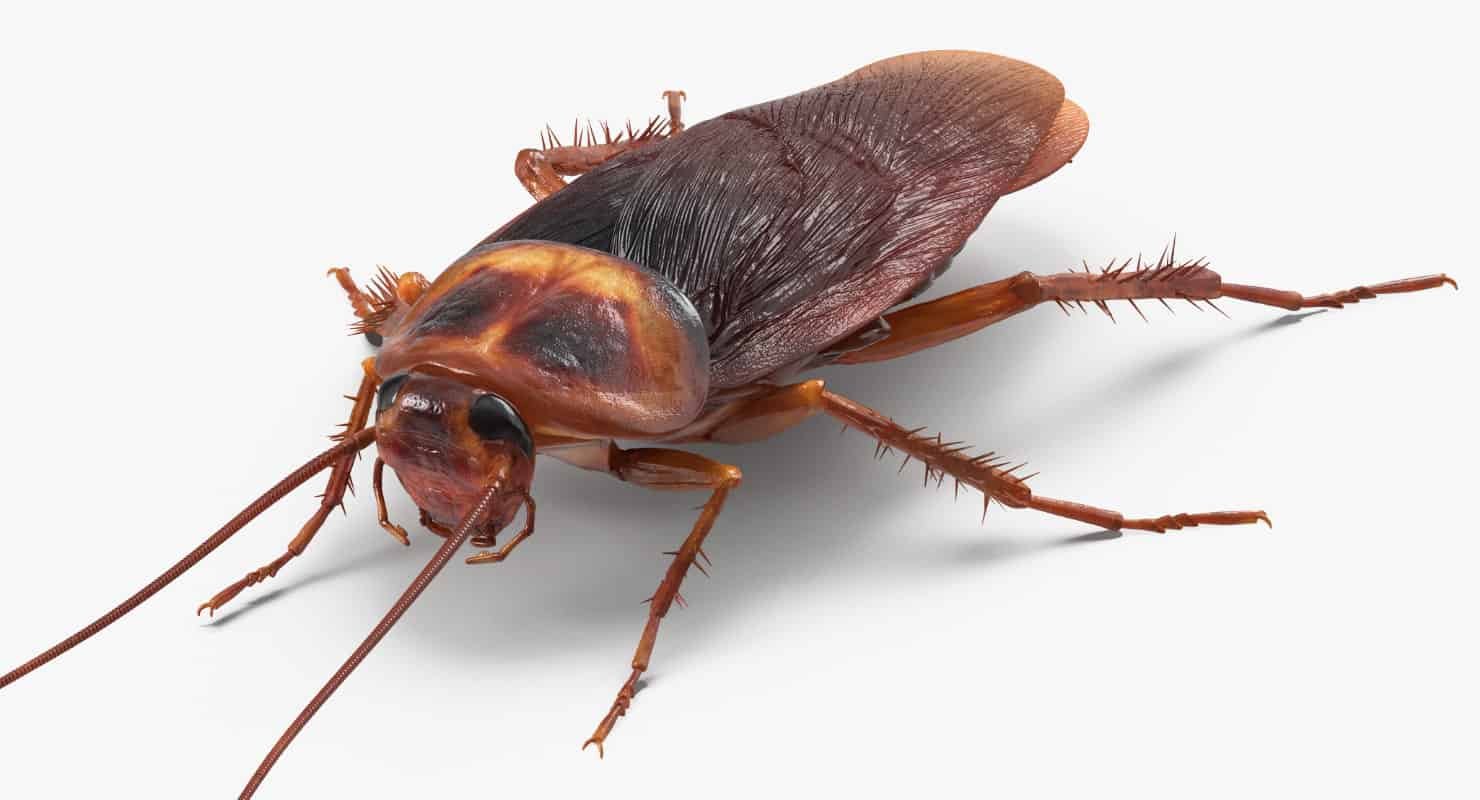
Cockroach Control
Cockroaches don't need much to move in: a damp corner, a crumb trail, and a gap the width of a coin. We find where…
Learn more →Neighborhoods We Serve
Neighbourhoods We Serve in Langley
Langley Township covers enough ground, and enough different kinds of housing, that pest pressure changes from one neighbourhood to the next, from older riverside homes to newer townhomes and working farmland.
Fort Langley
Fort Langley, the riverside village on the Fraser, has some of the older housing stock in the area. That age is why carpenter ants are such a consistent problem: original rooflines, wood siding and decades of accumulated moisture in fascia boards and deck posts.
Murrayville
Murrayville, a little further south, shares the older-home pattern of Fort Langley, with tree-lined streets and mature yards that hold onto dampness longer than newer subdivisions. Carpenter ants are a regular concern.
Wikipedia ↗Wikidata ↗Willoughby
Willoughby is a fast-growing part of the township full of newer townhomes and single-family construction. New does not mean pest-proof, and construction-stage gaps around plumbing and siding are a common entry point for mice in a building's first winter.
Wikipedia ↗Wikidata ↗Brookswood
Brookswood, on the west side of the township, mixes acreage properties with suburban streets and backs onto treed areas. That brings more wildlife-adjacent calls than the denser parts of town.
Walnut Grove
Walnut Grove, out toward the U.S. border, rounds out the picture of the neighbourhoods we serve in Langley Township, where older homes and newer construction each bring their own pest concerns.
Wikipedia ↗Wikidata ↗Aldergrove
Aldergrove, out toward the U.S. border, still has a strong agricultural character, with horse properties and small farms. They see the same rodent and wasp pressure common to Langley's rural edges.
Milner
Milner is still largely farmland, an area where the Nicomekl and Salmon River drainage keeps ground moisture high.
Glen Valley
Glen Valley is still largely farmland, an area where the Nicomekl and Salmon River drainage keeps ground moisture high enough to push Norway rats and deer mice indoors once the weather turns in October.
Getting around
Getting Around Langley
The Trans-Canada Highway (Highway 1) crosses the township and is a fast route between many Langley neighbourhoods and our pest controllers. Fraser Highway connects Langley City through to Surrey and out toward Aldergrove, and it is a busy corridor for service calls.
Glover Road is a main route through Langley City and down toward Fort Langley, while 200th Street and 208th Street handle much of the north-south traffic connecting Willoughby, Murrayville and the areas near the highway interchange. 264th Street is a main artery out toward Aldergrove and the border.
Local landmarks
Local Landmarks
Fort Langley National Historic Site
The anchor of Fort Langley village, and a good reference point for the older, moisture-prone housing nearby.
Derby Reach Regional Park
Derby Reach Regional Park runs along the Fraser River near Fort Langley, where riverside dampness keeps ant and rodent pressure elevated for adjacent properties.
Campbell Valley Regional Park
Campbell Valley Regional Park is near Brookswood and Aldergrove and is bordered by farms and forest that push wildlife and insects toward surrounding acreages.
Aldergrove Regional Park
Aldergrove Regional Park is near the border, with the same rural, farmland-adjacent pest pattern common to that part of the township.
Local knowledge
How Langley's Geography Shapes Pest Season
Langley sits in the wet belt of the Fraser Valley, and heavy fall rain combined with a landscape still full of farms, horse properties and blueberry fields shapes what shows up at the door across every neighbourhood. Carpenter ants are the most common structural call, especially in older homes around Fort Langley and Murrayville, where damp rooflines, aging decks and shaded crawlspaces give them the soft, moisture-damaged wood they nest in. May and June swarms are a regular complaint every year. The Nicomekl and Salmon River corridors, along with the drainage ditches running through Milner, Glen Valley and the rest of Langley's farmland, keep ground moisture high enough to push Norway rats and deer mice indoors once the weather turns in October.
Newer Willoughby townhomes are not immune either. Construction-stage gaps and shared walls give mice an easy way in during their first winter, which surprises a lot of homeowners who assume new construction means no pest risk. Out toward Aldergrove and the farms ringing Brookswood, horse properties and small acreages see more of a mixed bag: rodents drawn to feed storage, and wasps building nests in barns, fence lines and undisturbed brush through summer.
Come spring, hobo spiders and giant house spiders move out of woodpiles and outbuildings into garages and basements, a pattern that holds from Fort Langley's riverside lots to Willoughby's newer streets. Whether the property is a century-old farmhouse or a townhome that closed last year, Langley's location in the wet belt means moisture control is the first line of defence against nearly everything on this list.
Local knowledge
Seasonal Pest Calendar for Langley Homeowners
Langley's pest calendar runs on rainfall as much as temperature. Winter is the quietest season for insects but often the peak for rodents, since Norway rats and deer mice that moved indoors from the Nicomekl and Salmon River lowlands in October are typically well established in a garage, attic or crawlspace by the time anyone notices droppings or scratching in January. As the weather warms into March and April, carpenter ant colonies that overwintered in damp rooflines and deck posts around Fort Langley and Murrayville become active again, well before the visible May and June swarms most homeowners associate with the problem.
Spring is also when hobo spiders and giant house spiders start moving out of woodpiles and outbuildings into garages and basements, across the township from Fort Langley to Willoughby. By summer, the farms and horse properties around Aldergrove, Brookswood and Glen Valley see rising wasp activity as nests built in barns and fence lines through spring reach full size, often becoming the most urgent calls of the season by July and August. Fall brings the shift back toward rodents, as farmland empties out after harvest and sends mice and rats looking for warmer shelter, new Willoughby townhomes included, since construction-stage gaps do not care how new the building is.
The practical lesson for Langley homeowners is to work with that rhythm. An early-spring check on older Fort Langley or Murrayville wood trim catches carpenter ants before swarm season does real damage. Sealing barns, sheds and fence-line gaps on Aldergrove and Brookswood properties before summer keeps wasp colonies from establishing in the first place. And closing up foundation and siding gaps on any property, new or old, before October is a very effective way to keep the fall rodent push from becoming a winter-long problem.
Local knowledge
Why Local Knowledge Matters Here
Langley Township covers enough ground, and enough different kinds of housing, that knowing the area shapes how we approach a call before we arrive. A carpenter ant problem in a Fort Langley or Murrayville character home usually means starting at the roofline, aging deck posts and original wood trim, since that is where decades of Fraser Valley moisture settle on that style of construction. A rodent call from a horse property near Aldergrove or a farm in Glen Valley is a different situation: the pressure comes from open fields and feed storage rather than a neighbouring building, so barns and fence lines get priority over the house. A mouse call from a newer Willoughby townhome usually means checking construction-stage gaps around plumbing and shared walls rather than anything related to farmland.
Brookswood splits the difference, with its mix of acreage lots and suburban streets backing onto treed land near Campbell Valley Regional Park, which brings a bit of every pattern at once. That is the value of treating Langley as several distinct areas instead of one township. A plan built around Fort Langley's older housing does not automatically apply to an Aldergrove horse property or a Willoughby townhome complex, and we factor all of it in before recommending anything, whether the address is on Glover Road near the village, out past 264th Street toward the border or on a brand-new Willoughby street.
Pricing depends on the property and the pests involved, and a free quote comes first. We rely on natural pest control options and non-toxic, low-impact products that are safe around kids and pets, and our work is backed by our satisfaction guarantee.
Nearby
Also serving towns near Langley
Why It Works
Guaranteed, not just promised.
Satisfaction Guaranteed
If it's not gone, we come back — free.
Safe & Humane
Natural methods, safe around kids and pets.
No Long-Term Contracts
Stay because it works — not because you're locked in.
Find Us
Serving Langley, British Columbia
What Customers Say
Real reviews from our Google Business Profile.
“I am very happy with the results that Natural Pest Solutions was able to provide as far as the speed of their work and also the problem with ants in my home was able to be resolved quickly which gave me peace of mind. I would recommend this pest control company to anyone having issues with bugs.”
Stefano Merci — Google review
View on Google →“I am really pleased with the guys at Natural Pest Solutions, they got rid of my rodent problem quickly and those mice have not been back. I highly recommend these guys, they are the best pest control company around.”
Shawn Kern — Google review
View on Google →“I really am impressed with the great customer service and how quickly they came to help me with my rodent problem. After doing a pest inspection they found that the problem was much worse than I expected, but the guys at Natural Pest Solutions came to my rescue and got rid of all these nasty pests in my home.”
Phillip Pond — Google review
View on Google →Questions
What People in Langley Ask Us
How much does pest control cost in Langley?
Pricing depends on property size and what is active. Older Fort Langley homes, working farms and newer Willoughby townhomes each face different pressure, so the plan and the price differ. We start with a free quote, then explain what drives the cost before any treatment begins.
Are carpenter ants a big problem in older Fort Langley homes?
Yes, carpenter ants are the most common structural concern we see in older Fort Langley and Murrayville homes. Damp rooflines, aging decks and shaded crawlspaces give them soft wood to nest in, and swarms in May and June are often the first sign homeowners notice.
How fast can someone come out in Langley?
Request a free quote and we will schedule you as quickly as we can. Carpenter ant swarms and fall rodent activity tend to grow in Langley's damp climate, so it helps to describe what you are seeing and where when you contact us.
Is pest control safe for kids and pets on Langley's farms and horse properties?
We use natural pest control options with non-toxic, low-impact products that are safe around kids and pets. On farms and horse properties we also plan around animals, feed storage and barns, so treatments go where the pests are rather than where children and livestock spend their time.
Do new Willoughby townhomes get mice too?
They can. Construction-stage gaps around plumbing and siding, plus shared walls, give mice an easy path in during a building's first winter. Norway rats and deer mice pushed inward by wet fall weather add to the pressure, so sealing entry points early matters.
When do hobo spiders show up in Langley?
Spring is when hobo spiders and giant house spiders leave woodpiles and outbuildings and move toward garages and basements as it warms. Storing firewood away from the house and sealing gaps at garage doors reduces how many end up inside.
Keep exploring
More from Natural Pest Solutions
- All pest control services
- Pest encyclopedia: identify what you are seeing
- All of our locations
- Customer reviews
- Pest control tips from our blog
- Contact us for a free quote
About the area
Langley
Wikipedia ↗Wikidata ↗British Columbia
Wikipedia ↗Wikidata ↗
Learn More
Trusted resources for Langley homeowners
Public-health, regulator and university guidance on safe pest control.
- Health Canada: Pesticides and Pest Management ↗Canadian guidance on pest control products.
- B.C. Government: Pesticides and Pest Management ↗Provincial rules and guidance in British Columbia.
- National Pesticide Information Center ↗Pest-by-pest fact sheets from Oregon State University and the EPA.
Ready to stop worrying about pests in Langley?
Talk to a real expert — no pressure, no toxic chemicals, no contract required.
Recognized by the organizations that set the standard