
Arizona
Pest Control San Tan Valley, AZ
In San Tan Valley, the desert often starts right at the block wall. We use natural pest control options aimed at bark scorpions, packrats, harvester ants and monsoon-season invaders in a community with little buffer between house and Sonoran Desert.
Natural, guaranteed pest control — free quotes, no long-term contract, safe around kids and pets.
Common Pests in San Tan Valley
What we treat most often around San Tan Valley, Arizona
San Tan Valley has grown quickly at the base of the San Tan Mountains, and many neighborhoods sit right where finished streets meet open desert. Newer subdivisions off Hunt Highway and Gary Road often have block walls facing creosote and palo verde flats instead of another backyard, so bark scorpions move from wash to stucco with little in between. Packrats build stick middens against those same walls and under parked trailers, and kissing bugs can turn up near their nests more often than new residents expect. Harvester ants mound up on vacant lots that dot every construction phase.
Come monsoon season, storms rolling off the mountains push crickets and scorpions toward the house looking for dry ground, and homeowners near San Tan Mountain Regional Park deal with javelina and rattlesnakes along the property line. Desert subterranean termites tend to swarm in the humid stretch of July and August rather than in spring.
How We Fix It
Pest control services in San Tan Valley
Scorpion Control
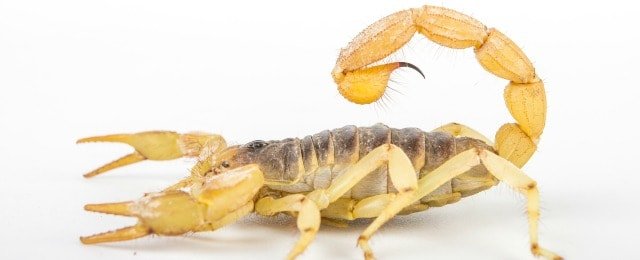
Scorpions turn up where dry ground meets a house with easy openings — under stucco, behind baseboards, inside a stack of firewood. We find…
Learn more →
Rodent Control
Mice and rat control that finds the entry points, not just the symptoms — trapping and exclusion that actually keeps rodents out, guaranteed.
Learn more →
Ant Treatment
A trail of ants across your kitchen counter is a scouting report, not the whole problem. We find the colony behind it and treat…
Learn more →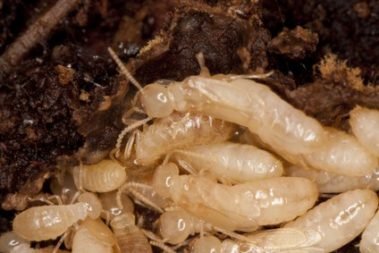
Termite Control
Subterranean and drywood termite treatment that protects your home's structure — natural-first, guaranteed, and safe for the people and pets who live there.
Learn more →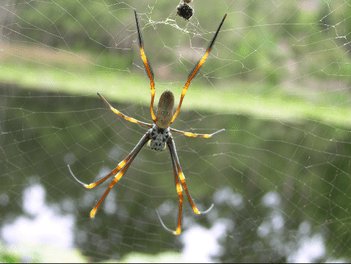
Spider Control
Spiders move in wherever the food supply and hiding spots are, so a few webs in the garage rarely stay a few for long.…
Learn more →Pest Inspections
A room-by-room, crawlspace-to-attic inspection that tells you exactly what's active on your property, and what to do about it, before you sign a lease,…
Learn more →Neighborhoods We Serve
Neighborhoods We Serve in San Tan Valley
San Tan Valley is an unincorporated community in Pinal County that grew from open desert into a large residential area in a couple of decades. There was little time for a gradual buffer between subdivisions and the desert, so homes often go in right up against land the desert was already occupying.
Johnson Ranch
Johnson Ranch is a mix of starter homes and larger houses, with parks and amenities built into a footprint that borders open desert on several sides. It set a pattern the rest of the community followed.
Ironwood Crossing
Ironwood Crossing is a family-oriented community that backs onto undeveloped land along parts of its edge. Open play areas and parks there sit close enough to native terrain that packrats and harvester ants can work their way in from the edges.
Encanterra
Encanterra is a golf and resort-style community with graded lots, block walls and creosote flats starting immediately on the other side. Exact pressure varies by street, so we look at each yard and wall line.
Copper Basin
Copper Basin follows the same basic layout as much of San Tan Valley: graded lots, block walls and creosote flats starting immediately on the other side. Exact pressure varies by street, so we look at each yard and wall line rather than assume one neighborhood behaves like another.
Wikipedia ↗Wikidata ↗Circle Cross Ranch
Circle Cross Ranch follows the same basic layout of graded lots, block walls and creosote flats starting immediately on the other side. Exact pressure varies by street, so we look at each yard and wall line rather than assume one neighborhood behaves like another.
Getting around
Getting Around San Tan Valley
Hunt Highway is a major travel corridor, connecting San Tan Valley to Queen Creek to the northwest and Florence to the southeast. Gary Road runs north-south through the heart of the community and is a main route between the newer subdivisions and older established sections. Ironwood Road and Combs Road round out the main grid, with Combs Road serving the southern part of the community closer to the mountains.
Because San Tan Valley grew up around these arterial roads rather than a traditional downtown grid, the roads are the clearest way to describe where a property sits relative to the mountains and the still-vacant land around much of the built-out area.
Local landmarks
Local Landmarks
San Tan Mountain Regional Park
San Tan Mountain Regional Park sits at the base of the San Tan Mountains on the community's southern side. It is a defining landmark and the source of much of the wildlife pressure nearby homeowners deal with, with javelina and rattlesnakes along the property line being frequent concerns.
Wikipedia ↗Wikidata ↗San Tan Mountains
The San Tan Mountains channel monsoon runoff through washes toward neighborhoods on the south side. During and after storms, that pushes crickets and scorpions to the nearest dry ground, usually a backyard.
Vacant Lots
The many vacant lots scattered through every phase of construction function like landmarks of their own for pest purposes. Undeveloped, unmaintained ground inside built-out subdivisions is dependable territory for harvester ant mounds and packrat activity that spreads to occupied lots nearby.
Local knowledge
Living on the Edge of Newly Developed Desert
Many San Tan Valley neighborhoods sit right where survey stakes met open desert not long ago. That proximity shapes everything here. Newer subdivisions have block walls facing raw creosote and palo verde flats, so bark scorpions move from wash to stucco with nothing in between to slow them down.
Packrats build stick middens against block walls and under parked trailers, a common sight given how many properties keep RVs, trailers or work vehicles alongside the house, and kissing bugs turn up near those nests because the two share the same shelter. Harvester ants mound up on vacant lots, and because so much of the community is still filling in, there is rarely a shortage of undeveloped ground nearby.
Come monsoon season, storms push crickets and scorpions toward the house looking for dry ground, and homeowners near San Tan Mountain Regional Park see javelina and rattlesnakes working the property line during and after storms. Desert subterranean termites follow the monsoon pattern found across the Valley, swarming in the humid stretch from July through August rather than in spring.
What sets San Tan Valley apart from more established parts of the Phoenix metro is how recent all of this is. Many homeowners moved from older suburbs where the desert had long since been pushed back from the property line, and the direct wildlife and insect pressure here can catch new residents off guard in the first year. The desert is often the actual back fence, and understanding that is the starting point for any treatment plan that holds up.
Local knowledge
New Construction and What It Means for Pest Control
A lot of San Tan Valley is still filling in, and active construction changes the pest picture. Graded, unlandscaped lots between finished homes are prime territory for harvester ant colonies and burrowing rodents, since there is bare ground and none of the disturbance that comes with regular yard care. A finished, landscaped home may sit beside one of these lots for months before the next phase of construction, giving pests a staging ground with a close target. New landscaping also takes time to establish, and freshly planted desert trees and shrubs do not yet offer the shade or root structure that would compete with ant mounds or packrat middens in an older neighborhood.
Irrigation is another factor. Drip systems and sprinkler lines on new lots are often shallow and freshly installed, and small leaks or overspray are common while systems get dialed in. In an otherwise dry desert setting, that moisture draws ants and crickets quickly, and it is one of the more common root causes we find on service calls to newer parts of the community.
Local knowledge
RVs, Trailers, and Outbuildings
San Tan Valley has many properties with RVs, work trailers, sheds and detached garages beside the main house, partly a function of larger lots and a semi-rural feel in places. Each of those structures is another place for packrats to build a midden, another spot for scorpions to find shade, and another gap where wiring can be chewed without anyone noticing until something stops working. We treat these secondary structures as part of the property, since skipping them is a common reason a treatment plan does not fully solve the problem. Whether the issue starts in a golf cart garage, a detached shed or a trailer parked along the side yard, the goal is the same: find where pests are staging before they reach the house, and close that gap first.
Pool equipment, dog runs and stacked landscape materials create similar hiding spots, and monsoon debris piled against a wall can shelter scorpions for weeks. Walking the wall line, checking door thresholds and looking at where irrigation meets the foundation are part of every visit. Pricing depends on lot size, the structures involved and which pests are active, and a free quote comes first.
Nearby
Also serving towns near San Tan Valley
- Pest control in Queen Creek6 mi
- Pest control in Florence11 mi
- Pest control in Apache Junction13 mi
- Pest control in Gilbert15 mi
- Pest control in Coolidge18 mi
- Pest control in Mesa18 mi
- Pest control in Chandler20 mi
- Pest control in Casa Grande24 mi
- Pest control in Tempe27 mi
- Pest control in Guadalupe28 mi
- Pest control in Maricopa29 mi
- Pest control in Scottsdale31 mi
Why It Works
Guaranteed, not just promised.
Satisfaction Guaranteed
If it's not gone, we come back — free.
Safe & Humane
Natural methods, safe around kids and pets.
No Long-Term Contracts
Stay because it works — not because you're locked in.
Find Us
Serving San Tan Valley, Arizona
What Customers Say
Real reviews from our Google Business Profile.
“I am very happy with the service I received from Natural Pest Solutions, they took my call right away and came right out and inspected my home and found the source of my ant problem and since they were here I have not seen a single bug around. I would recommend these guys to anyone needing pest control services.”
Rick Gruenke — Google review
View on Google →“I am very happy with the results that Natural Pest Solutions was able to provide as far as the speed of their work and also the problem with ants in my home was able to be resolved quickly which gave me peace of mind. I would recommend this pest control company to anyone having issues with bugs.”
Stefano Merci — Google review
View on Google →“I am really pleased with the guys at Natural Pest Solutions, they got rid of my rodent problem quickly and those mice have not been back. I highly recommend these guys, they are the best pest control company around.”
Shawn Kern — Google review
View on Google →Questions
What People in San Tan Valley Ask Us
How much does pest control cost in San Tan Valley?
Pricing depends on lot size, how close your block wall sits to open desert, and what is active. A scorpion treatment is scoped differently from a program for packrats or harvester ants, and RVs or outbuildings add work. We start with a free quote and explain what the visit covers.
Are scorpions common in San Tan Valley?
Very. Where block walls face raw desert instead of another backyard, bark scorpions climb from washes onto stucco and slip through small gaps. Sealing entry points, cutting back vegetation against walls and treating perimeters and nesting areas is how we approach it, with attention to bedrooms and children's play areas.
How soon can a pest professional come out for a scorpion problem in San Tan Valley?
We schedule you as quickly as we can, and scorpion calls from homes with kids or pets get priority. Request a free quote and tell us where the sightings are, such as garages, bathrooms or bedrooms, so we can prepare for the right kind of visit.
Is scorpion and pest treatment safe for kids and pets in San Tan Valley homes?
Our natural pest control options rely on non-toxic, low-impact products that are safe around kids and pets when used as directed. We focus on wall lines, thresholds and nesting spots, and we give you simple guidance on when treated areas are ready for normal use again.
Do I need pest control in San Tan Valley during monsoon season?
Monsoon is a busy stretch. Runoff from the mountains and washes drives crickets and scorpions toward the dry ground around homes, and termites swarm in the humid weeks. Getting perimeter work and entry-point sealing done before the storms arrive tends to make the season easier.
What about packrats and kissing bugs near neighborhoods like Encanterra or Johnson Ranch?
Packrats build stick middens against block walls and under trailers, and kissing bugs are drawn to those nests. Removing the nest material, closing gaps and reducing shelter near the house usually reduces sightings of both. If you find a suspected kissing bug, avoid handling it and contact us.
Keep exploring
More from Natural Pest Solutions
- All pest control services
- Pest encyclopedia: identify what you are seeing
- All of our locations
- Customer reviews
- Pest control tips from our blog
- Contact us for a free quote
About the area
San Tan Valley
Wikipedia ↗Wikidata ↗Arizona
Wikipedia ↗Wikidata ↗
Learn More
Trusted resources for San Tan Valley homeowners
Public-health, regulator and university guidance on safe pest control.
- University of Arizona Cooperative Extension ↗Research-based home and garden pest guidance for Arizona.
- EPA: Controlling Pests ↗U.S. guidance on choosing and using pest control safely.
- National Pesticide Information Center ↗Pest-by-pest fact sheets from Oregon State University and the EPA.
Ready to stop worrying about pests in San Tan Valley?
Talk to a real expert — no pressure, no toxic chemicals, no contract required.
Recognized by the organizations that set the standard