You’ve spotted a small moth in your closet, or worse, you’ve found a hole in a sweater you haven’t worn since last winter. Before you panic and bag up your entire wardrobe, here’s what actually needs to happen, in order.
Step 1: Confirm what you’re dealing with
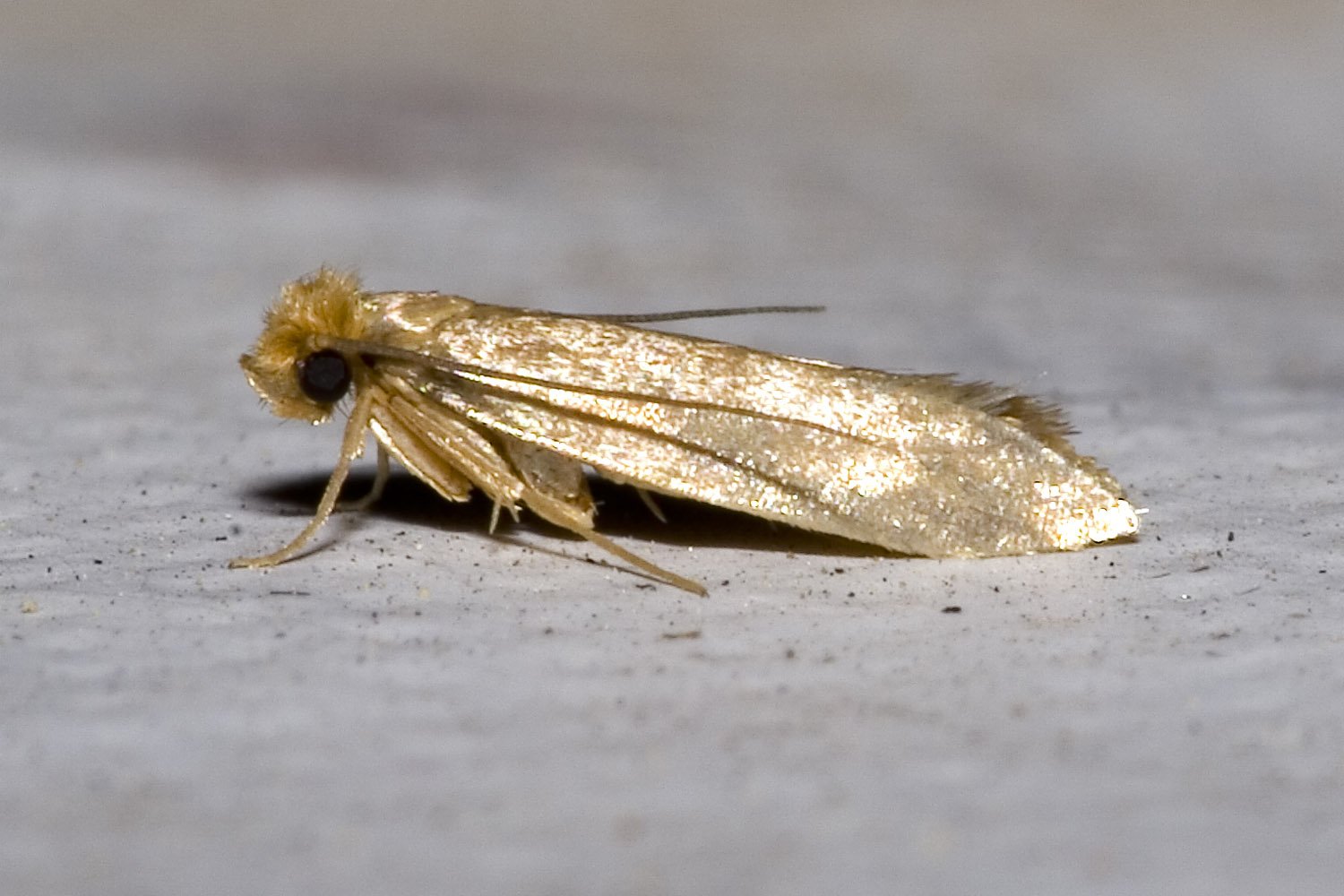
Clothes moths are small, tan to golden, and tend to be weak, low fliers found in dim closets rather than around kitchen lights. If you’re seeing moths near pantry items or flying toward light fixtures in the kitchen, that’s more likely a pantry moth, a different pest entirely with a different fix. Clothes moths specifically target keratin-based fabric: wool, cashmere, silk, fur, and feathers. Cotton and synthetic fabrics are generally safe unless they’re blended or heavily soiled with food or body oils, which larvae will also feed on. Worth knowing too, it’s the larvae doing the damage, not the adult moths you’re actually seeing fly past, so a few visible moths can mean a much larger population of larvae already at work out of sight.
Where clothes moths actually come from
Most infestations don’t start with moths flying in through an open window. They start hitchhiking, in a secondhand wool coat, a vintage rug bought at an estate sale, an old fur stole inherited from a relative, or even a taxidermy piece brought in from storage. Eggs or small larvae already present on the item get introduced into a closet that had no problem at all until that point. This is also why treating one item and ignoring everything else nearby rarely works, once established, larvae will move from the original item to any other keratin-based fabric within reach, especially in a dark, undisturbed space like a closet floor or the back corner of a shelf.
The life cycle, and why one treatment often isn’t enough
There are two clothes moth species that cause the vast majority of household damage: the webbing clothes moth and the casemaking clothes moth. Both go through the same four stages, egg, larva, pupa, adult, but the timeline is where people get caught off guard. Eggs hatch in about four to ten days under normal indoor conditions. The larval stage, the only stage that actually eats fabric, can last anywhere from a month to well over a year depending on temperature, humidity, and food availability. In a cool, dry closet, larvae can slow their development dramatically and simply wait out unfavorable conditions, which is part of why a closet can seem clear for months and then show fresh damage again. Adults, by contrast, live only two to four weeks and don’t feed on fabric at all, their only job is mating and laying eggs. That’s an important detail: the moths you see flying are not the ones damaging your clothes, and killing visible adults does nothing to the larvae already working through a sweater in a drawer.
Step 2: Pull everything out and inspect
Empty the closet completely. Check every wool and silk item for small holes, thin silky webbing, or tiny case-like casings stuck to the fabric, these are signs of larvae or pupae. Set aside anything with visible damage or webbing separately from clean items so you don’t cross-contaminate. Pay close attention to items folded and stored rather than hung, dark, undisturbed stacks are exactly what larvae prefer, and check the underside of items on shelves, not just what’s visible from the front.
Step 3: Treat the infested items
- Launder washable items in hot water, or dry clean items that require it, since dry cleaning kills all life stages
- For delicate items that can’t be washed or cleaned, seal them in a bag and place them in the freezer at 0°F for at least 72 hours
- Discard anything too damaged to save, holding onto it just gives larvae more time to spread
- If you’re using the freezer method, let the item return to room temperature before unsealing the bag, condensation forming on cold fabric can cause its own problems
Step 4: Deep clean the closet itself
Vacuum every corner, seam, and baseboard thoroughly, larvae and eggs can be present in dust and lint even without visible fabric damage. Pay attention to carpet edges if the closet is carpeted, and wipe down shelving. Dispose of the vacuum bag or empty the canister outside immediately afterward. If the closet has any cracks or gaps in trim or baseboard, a light vacuum along those seams specifically is worth the extra few minutes, since larvae can wedge into gaps that are easy to walk right past.
Step 5: Store smart going forward
- Store wool and silk items in sealed, airtight containers rather than open garment bags
- Add cedar blocks or lavender sachets as a deterrent, refreshing cedar’s scent periodically since it fades
- Never store items that haven’t been cleaned first, even faint body oils and food residue attract larvae
- Rotate and check stored seasonal items every couple of months rather than leaving them completely undisturbed for a full year
Pheromone traps: useful for monitoring, not for treatment
Sticky pheromone traps designed for clothes moths attract and catch adult males using a synthetic version of the female mating scent. They’re a genuinely useful tool, but for monitoring, not control. A trap catching moths tells you activity is ongoing and roughly how much; it does nothing to the eggs or larvae already in your fabric. After a cleanout, placing a trap or two in the closet is a reasonable way to track whether numbers are actually dropping over the following weeks, rather than guessing.
What not to do
Don’t just spray a general insecticide into the closet and call it handled. It may kill visible adult moths but does little against eggs tucked into fabric folds or seams, and it puts product directly onto clothing you’re going to wear again. Also resist the urge to throw out everything in the closet at once out of frustration, most items are salvageable with proper laundering, and a full wardrobe replacement is rarely necessary even in a bad infestation.
Why the freezer method actually works
Cold doesn’t kill instantly, which is why the timing matters. Clothes moth eggs and larvae need a sustained period at or below freezing, at least 72 hours at 0°F, to reliably die off, a quick overnight stint in a standard freezer set warmer than that often isn’t enough to finish the job. If your freezer runs warmer than 0°F, which many home freezers do, extending the time to a full week is a safer bet for anything you’re not willing to risk losing.
Common questions
Can I just air out the item outside instead of washing or freezing it? No. Airing out does nothing to eggs or larvae embedded in the fabric, it only reduces smell, not the actual infestation.
Is it safe to keep wearing other clothes from the same closet while I deal with this? Generally yes, as long as you inspect each item you plan to wear first. Clothes moths don’t spread instantly across a whole closet, they concentrate on specific undisturbed items.
How long until I know the closet is actually clear? Give it two to three weeks after your cleanout. If you’re not seeing new moths or fresh damage by then, the treatment held.
Do cedar closets actually work, or is that overstated? Genuine, solid cedar with an intact oil-rich surface has real repellent value, but the effect fades as the wood ages and the surface oxidizes, usually within a few years unless it’s lightly sanded to refresh it. Cedar blocks and cedar-lined boxes work the same way and need the same refreshing. Cedar is a deterrent, not a guaranteed kill, it won’t reliably eliminate an active infestation on its own.
Can clothes moths damage synthetic-blend clothing? Not the synthetic fibers themselves, but larvae will chew through a poly-wool blend to get to the wool content, leaving the synthetic fibers looking oddly shredded around the damage. Heavily soiled synthetics can also get incidental damage if larvae are feeding on food or oil residue trapped in the fabric.
Is it normal to see just one or two moths and nothing else? It can be, especially early on, but don’t assume it stays that way. A couple of visible adults is consistent with either a very minor, isolated problem or an early-stage infestation that hasn’t produced visible damage yet. The only way to tell the difference is the inspection in Step 2, so treat any sighting as a reason to check, not a reason to wait.
Preventing a repeat
Once a closet is clear, the habits that keep it that way are simple but easy to let slide. Rotate stored seasonal clothing at least once a season instead of leaving it untouched for a year, wash anything before long-term storage even if it looks clean, and check cedar or lavender sachets every few months to make sure they still have a noticeable scent. A five-minute check twice a year catches a new problem while it’s still one or two items instead of a whole wardrobe.
DIY versus calling a professional
A single closet with one or two damaged items and no signs of spread is almost always a DIY-manageable problem using the steps above: launder or freeze, deep clean, store smart. Where it’s worth bringing in a professional sooner is when damage shows up in multiple rooms, when you’ve done a full cleanout and treatment and moths keep reappearing after a few weeks, or when the infestation involves wool carpet, upholstered furniture, or areas you can’t fully inspect yourself, like under built-in cabinetry or inside wall voids near an old fur storage chest. Professional treatment for an established infestation typically runs from a single targeted visit for a contained closet problem up to a multi-visit plan when carpet or upholstery is involved, since those materials require different treatment methods than a garment you can simply launder. Ask for a clear explanation of what’s being treated and why before agreeing to a multi-visit plan, a legitimate assessment should be able to tell you specifically where activity was found.
When to call a professional
If you’re finding damage across multiple garments, in more than one closet, or the infestation keeps returning after you’ve cleaned and treated everything, the population has likely spread into areas you can’t easily reach yourself, wall voids, carpet padding, or furniture upholstery. Call 1-844-783-4821 and we’ll help you find out how far it’s actually gone.