British Columbia, Canada
Pest Control Vancouver, BC
Natural-first pest control for Vancouver homes and businesses, built around coastal carpenter ant, rodent and wasp pressure and the ravines and green corridors that run through the city, with products safe around kids and pets.
Natural, guaranteed pest control — free quotes, no long-term contract, safe around kids and pets.
Common Pests in Vancouver
What we treat most often around Vancouver, British Columbia, Canada
Vancouver's wet, mild climate suits carpenter ants, which hollow out damp or decaying wood and are among the most common pest calls in the Lower Mainland. Older homes in Kitsilano, Dunbar and Shaughnessy, with original crawlspaces, cedar siding and decades of roofline repairs, give colonies plenty to work with, and because hard freezes are rare, activity can continue through much of the winter.
Rats and mice move indoors once the fall rains start, looking for dry shelter, and pressure runs highest on blocks that back onto ravines, parks or back lanes. Wasps build nests through summer in eaves, sheds and wall voids, often unnoticed until August. The constant moisture also keeps ground beetles and spiders active, and hobo spiders and giant house spiders tend to come indoors in September and October, just as the rain settles in for the season. A yard that borders greenery usually shows the earliest signs.
How We Fix It
Pest control services in Vancouver
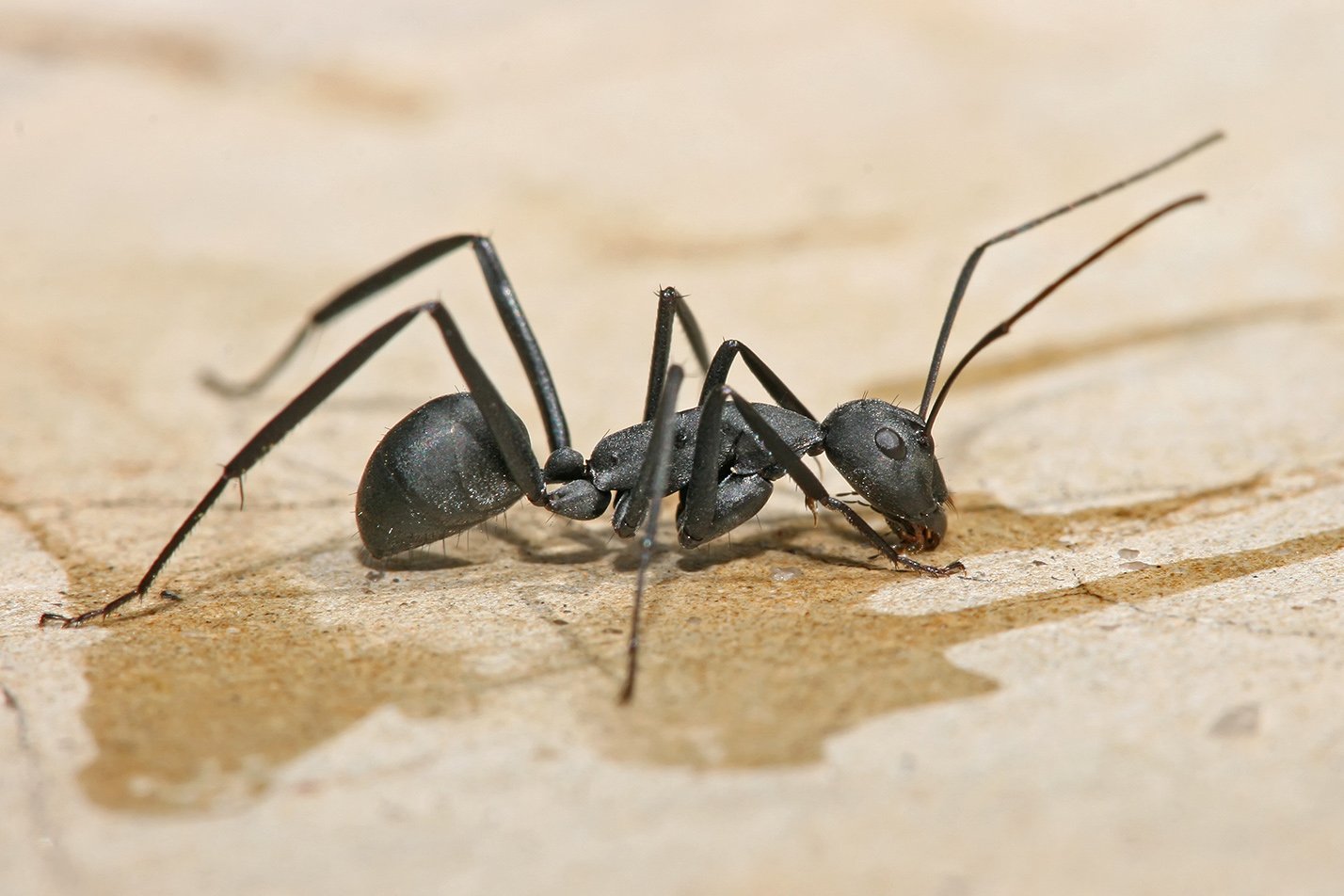
Ant Treatment
A trail of ants across your kitchen counter is a scouting report, not the whole problem. We find the colony behind it and treat…
Learn more →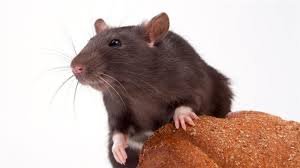
Rodent Control
Mice and rat control that finds the entry points, not just the symptoms — trapping and exclusion that actually keeps rodents out, guaranteed.
Learn more →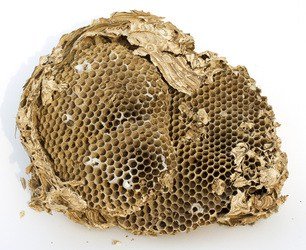
Wasp & Hornet Control
Fast, safe removal of wasp and hornet nests — different pest, different approach than beehive removal, and not something worth handling yourself.
Learn more →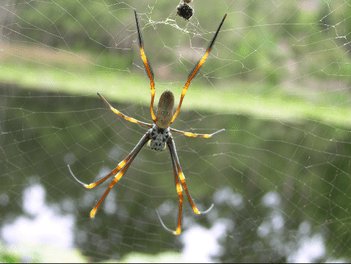
Spider Control
Spiders move in wherever the food supply and hiding spots are, so a few webs in the garage rarely stay a few for long.…
Learn more →Commercial Pest Control
Pest problems in a commercial space carry a different weight than they do at home: health code violations, customer complaints, product loss, and a…
Learn more →Pest Inspections
A room-by-room, crawlspace-to-attic inspection that tells you exactly what's active on your property, and what to do about it, before you sign a lease,…
Learn more →Neighborhoods We Serve
Neighbourhoods We Serve in Vancouver
Vancouver packs a wide range of housing into a fairly compact peninsula, and that variety shows up in the pest calls we get.
Kitsilano
Kitsilano, on the city's west side, has older character homes and low-rise apartments, and the combination of coastal rain, mature trees and original wood siding makes carpenter ants a frequent issue.
Wikipedia ↗Wikidata ↗Point Grey
Point Grey, on the city's west side, has older character homes and low-rise apartments, and the combination of coastal rain, mature trees and original wood siding makes carpenter ants a frequent issue.
Wikipedia ↗Wikidata ↗Kerrisdale
Kerrisdale, further south, has established lots with mature gardens, and tree canopy and irrigated landscaping create good ant and spider habitat right against the foundation.
Dunbar
Dunbar, further south, has established lots with mature gardens, and tree canopy and irrigated landscaping create good ant and spider habitat right against the foundation.
Shaughnessy
Shaughnessy is a leafy, established neighbourhood of large older homes, many with original crawlspaces and rooflines that have seen decades of coastal weather, which are the conditions carpenter ants look for.
Wikipedia ↗Wikidata ↗Mount Pleasant
Mount Pleasant mixes older wood-frame houses with newer condo development, and rats moving between back lanes and construction sites are a regular concern.
Fairview
Fairview mixes older wood-frame houses with newer condo development, and rats moving between back lanes and construction sites are a regular concern.
Commercial Drive and Grandview-Woodland
Commercial Drive and Grandview-Woodland, further east, have older housing backing onto lanes, which keeps rodent activity fairly constant.
Wikipedia ↗Wikidata ↗Renfrew-Collingwood
Renfrew-Collingwood sits near Still Creek and the Renfrew Ravine, and homes there see steady rat and mouse pressure from the green corridor running through residential blocks.
Marpole
Marpole, in the south near the Fraser River, deals with a mix of older housing and waterway-adjacent rodent movement.
Wikipedia ↗Wikidata ↗
Getting around
Getting Around Vancouver
Highway 1 reaches Vancouver from the east and connects north across the Second Narrows, while the Lions Gate Bridge links Stanley Park and the West End to the North Shore. Oak Street and Knight Street lead south to bridges into Richmond, and Cambie Street carries traffic through the middle of the city toward downtown. Granville Street and Kingsway are two busy corridors, cutting through several of the neighbourhoods above.
Properties near the back lanes and older commercial strips along Kingsway and Commercial Drive tend to see more rat activity than quieter residential streets, since lanes, dumpsters and older infrastructure give rodents cover to move through.
Local landmarks
Local Landmarks
Stanley Park
Stanley Park, the forested peninsula at the north end of downtown, sits directly beside dense residential blocks in the West End, a reminder of how much forest lies close to city streets.
Wikipedia ↗Wikidata ↗Queen Elizabeth Park
Queen Elizabeth Park, on the city's central ridge, is surrounded by established, tree-heavy neighbourhoods where ant and spider pressure tends to run higher than in more paved-over areas.
Wikipedia ↗Wikidata ↗VanDusen Botanical Garden
VanDusen Botanical Garden, on the city's central ridge, is surrounded by established, tree-heavy neighbourhoods where ant and spider pressure tends to run higher than in more paved-over areas.
Pacific Spirit Regional Park
Pacific Spirit Regional Park, bordering Point Grey and the University Endowment Lands, is a large forest that backs onto residential streets, and homes along its edge often see persistent rodent and ant activity.
Wikipedia ↗Wikidata ↗Trout Lake (John Hendry Park)
Trout Lake in John Hendry Park is a smaller green space, but ravine and creek corridors like it are routes rats and mice use between green space and backyards.
Renfrew Ravine
The Renfrew Ravine on the east side is a smaller green space, but ravine and creek corridors like it are routes rats and mice use between green space and backyards.
False Creek and English Bay
False Creek and English Bay add humidity to the neighbourhoods around them, reinforcing the wet-climate pressure that shapes the whole city.
Wikipedia ↗Wikidata ↗
Local knowledge
Coastal Climate and Seasonal Pest Patterns
Vancouver rarely sees a hard freeze, and that matters more for pest activity than almost any other factor. Carpenter ant colonies that would slow down in a colder Interior winter can keep expanding through a Vancouver winter as long as the wood they nest in stays damp, which coastal rain more or less guarantees for months. The same goes for spiders and the rodents that follow them indoors. Without a real cold snap to reset populations, activity tapers rather than stops.
That is part of why an annual inspection is worthwhile here: a small ant colony or a handful of mice that move in during October can still be growing by spring, especially in older, tree-shaded areas where moisture never fully clears. Summer brings its own pattern. Wasp nests start small in spring and can become large by August, and dense tree canopy around parks gives them undisturbed spots to begin.
Local knowledge
Character Homes, Condos and Commercial Buildings
Housing here ranges from century-old character homes to glass high-rises, and the approach has to match the building. Older wood-frame homes in Kitsilano, Mount Pleasant, Grandview-Woodland and Shaughnessy are likely to have original crawlspaces, single-glazed basement windows and decades of small roofline repairs, which give carpenter ants and the occasional rodent several ways in. Low-rise and mid-rise apartment buildings, common in Fairview, Mount Pleasant and the West End, deal more with shared-wall issues, where an ant or rodent problem in one unit's plumbing chase can spread through a building faster than in a single-family home.
Downtown and False Creek high-rises see less structural pressure but more trouble around underground parkades and loading areas, where rats moving up from nearby lanes find steady shelter. Commercial kitchens and restaurants along Commercial Drive, Main Street and Robson Street need food-safety-focused pest management year-round, since a wasp or rodent issue in a food-service setting carries different stakes than a residential call.
Local knowledge
Green Space and Ravine-Adjacent Streets
Vancouver has more forest and ravine beside residential blocks than most visitors expect, and those edges are where rodent activity tends to be strong. Streets bordering Pacific Spirit Regional Park, the blocks closest to Still Creek, and the homes around Trout Lake and the Renfrew Ravine share the same basic pattern: a green corridor gives rats and mice a cover-heavy route from undeveloped land into a backyard or crawlspace. Stanley Park does the same on a larger scale for the West End and Coal Harbour, and even a smaller park such as Queen Elizabeth or VanDusen adds enough mature tree cover to keep ant and wasp populations elevated on nearby blocks.
If a Vancouver property backs onto anything green, whether a park, a ravine or an unkept lane, that is usually the first place we look when a pest problem shows up, since it is often where the activity comes from. Trimming vegetation back from siding and keeping compost sealed helps.
Local knowledge
South Vancouver and the Fraser River Edge
Marpole and the neighbourhoods closest to the north arm of the Fraser River share more with Richmond's delta geography than with the rest of Vancouver. River-edge moisture, combined with older housing near the Oak Street and Knight Street bridges, can keep carpenter ant activity higher than on the drier parts of central Vancouver. Industrial and light-commercial properties along the river deal with steady rodent pressure typical of a working waterfront, and businesses in that stretch benefit from the same moisture-focused inspection approach as a residential home nearby.
Pricing for any of these jobs depends on the property and the pests involved, and a free quote comes first, so you know the plan before any work is booked.
Local knowledge
Preparing Your Vancouver Property
A few maintenance habits go a long way in a wet climate. Keep gutters and downspouts clear so water does not soak fascia boards and soffits, and repair leaks under sinks and around bathrooms quickly, since damp framing is what carpenter ants want. Store firewood off the ground and away from the house, and cut back shrubs and branches that touch siding or the roof. Seal gaps around pipes, vents and crawlspace doors with metal or hardware cloth before the fall rains push rodents inside.
Keep compost bins closed, and secure garbage in back lanes. Check eaves and sheds in spring for the small early nests that become large ones by August. Combined with targeted, low-impact treatment, these steps reduce pressure in every neighbourhood we serve, from a Kitsilano character home to a Fairview apartment building.
Local knowledge
Carpenter Ants, Rodents, Wasps and Spiders
Vancouver's wet, mild climate suits carpenter ants, which hollow out damp or decaying wood and are common pest calls in the Lower Mainland. Older homes in Kitsilano, Dunbar and Shaughnessy, with original crawlspaces, cedar siding and decades of roofline repairs, give colonies plenty to work with, and because hard freezes are rare, activity can continue through much of the winter.
Rats and mice move indoors once the fall rains start, looking for dry shelter, and pressure runs high on blocks that back onto ravines, parks or back lanes. Wasps build nests through summer in eaves, sheds and wall voids, often unnoticed until August. The constant moisture also keeps ground beetles and spiders active, and hobo spiders and giant house spiders tend to come indoors in September and October, just as the rain settles in for the season. A yard that borders greenery usually shows the earliest signs.
Why It Works
Guaranteed, not just promised.
Satisfaction Guaranteed
If it's not gone, we come back — free.
Safe & Humane
Natural methods, safe around kids and pets.
No Long-Term Contracts
Stay because it works — not because you're locked in.
Find Us
Serving Vancouver, British Columbia, Canada
What Customers Say
Real reviews from our Google Business Profile.
“I am very happy with the service I received from Natural Pest Solutions, they took my call right away and came right out and inspected my home and found the source of my ant problem and since they were here I have not seen a single bug around. I would recommend these guys to anyone needing pest control services.”
Rick Gruenke — Google review
View on Google →“I am very happy with the results that Natural Pest Solutions was able to provide as far as the speed of their work and also the problem with ants in my home was able to be resolved quickly which gave me peace of mind. I would recommend this pest control company to anyone having issues with bugs.”
Stefano Merci — Google review
View on Google →Questions
What People in Vancouver Ask Us
What affects the cost of pest control in Vancouver?
What it costs depends on the pests, the property and the plan you choose. Carpenter ants with damp structural wood involved are a bigger job than a single wasp nest under an eave. We look at your situation and provide a free quote before any work starts.
Are carpenter ants really that common in Vancouver?
They are one of the most common pest calls in the Lower Mainland. Damp, mild winters let colonies keep growing in old cedar siding, rooflines and crawlspaces, and they can weaken wood over time if left alone.
How soon can someone visit my Vancouver property?
It depends on the time of year and what is already on the schedule. Active wasp nests and carpenter ant problems get priority, and we schedule you as quickly as we can once you request a free quote.
Is your treatment safe around kids and pets in Vancouver homes?
We use non-toxic, low-impact products and focus on targeted placement, such as wall voids, entry points and nest sites, rather than blanket spraying. Where a product needs drying time or pets need to stay clear, we tell you exactly what to do.
Do homes near ravines and parks get more rodents?
Usually. Blocks backing onto Pacific Spirit Regional Park, Still Creek or the Renfrew Ravine give rats and mice cover close to foundations. Rodents also move indoors once fall rains start, so sealing entry points before October pays off.
When do wasps become a problem in Vancouver?
Nests start small in spring and grow through summer, so most calls come from July through September. Eaves, sheds, wall voids and dense shrubs beside parks are common spots. Please do not disturb a nest yourself.
Why do spiders show up in Vancouver homes each autumn?
September and October rain pushes hobo spiders and giant house spiders out of yards and shrubs and into garages, basements and window frames. Sealing gaps and reducing clutter and outdoor lighting near doors cuts down the number that get in.
Keep exploring
More from Natural Pest Solutions
- All pest control services
- Pest encyclopedia: identify what you are seeing
- All of our locations
- Customer reviews
- Pest control tips from our blog
- Contact us for a free quote
About the area
Vancouver
Wikipedia ↗Wikidata ↗British Columbia
Wikipedia ↗Wikidata ↗
Learn More
Trusted resources for Vancouver homeowners
Public-health, regulator and university guidance on safe pest control.
- Health Canada: Pesticides and Pest Management ↗Canadian guidance on pest control products.
- B.C. Government: Pesticides and Pest Management ↗Provincial rules and guidance in British Columbia.
- National Pesticide Information Center ↗Pest-by-pest fact sheets from Oregon State University and the EPA.
Ready to stop worrying about pests in Vancouver?
Talk to a real expert — no pressure, no toxic chemicals, no contract required.
Recognized by the organizations that set the standard