Alberta
Pest Control Edmonton, AB
From mosquitoes along the North Saskatchewan River valley to raccoons denning near the ravines, Edmonton's pests follow the city's geography and its long winters. Our team uses natural pest control options backed by our satisfaction guarantee.
Natural, guaranteed pest control — free quotes, no long-term contract, safe around kids and pets.
Common Pests in Edmonton
What we treat most often around Edmonton, Alberta
Edmonton's pest pressure is shaped as much by the river valley as by the cold. The North Saskatchewan winds through neighbourhoods like Riverdale and Rossdale, and that network of ravines and low-lying parkland means heavier mosquito activity each summer, especially after spring runoff leaves standing water in shaded pockets. It is also why raccoons and skunks den under decks, sheds and porches closer to the valley more often than in the drier suburbs further out.
As temperatures fall each September, cluster flies, boxelder bugs and Asian lady beetles push into attics and wall voids looking for a place to overwinter, then reappear on sunny windowsills through the coldest months. Ground squirrels tunnel into lawns and foundations come spring, and voles leave matted, chewed trails through the grass once the snow melts. Through winter, mice push toward foundations, garages and outbuildings for warmth.
How We Fix It
Pest control services in Edmonton
Mosquito Control
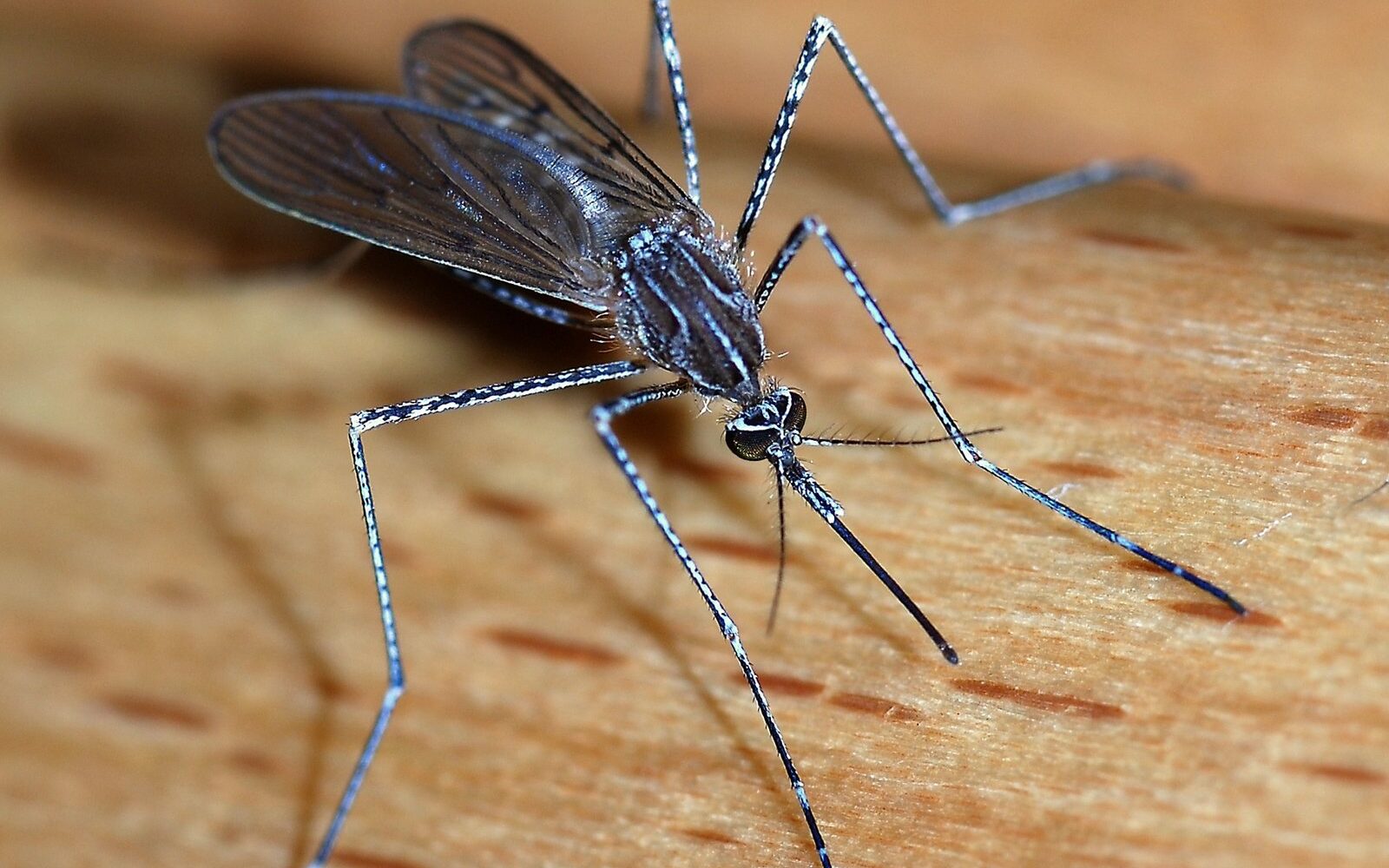
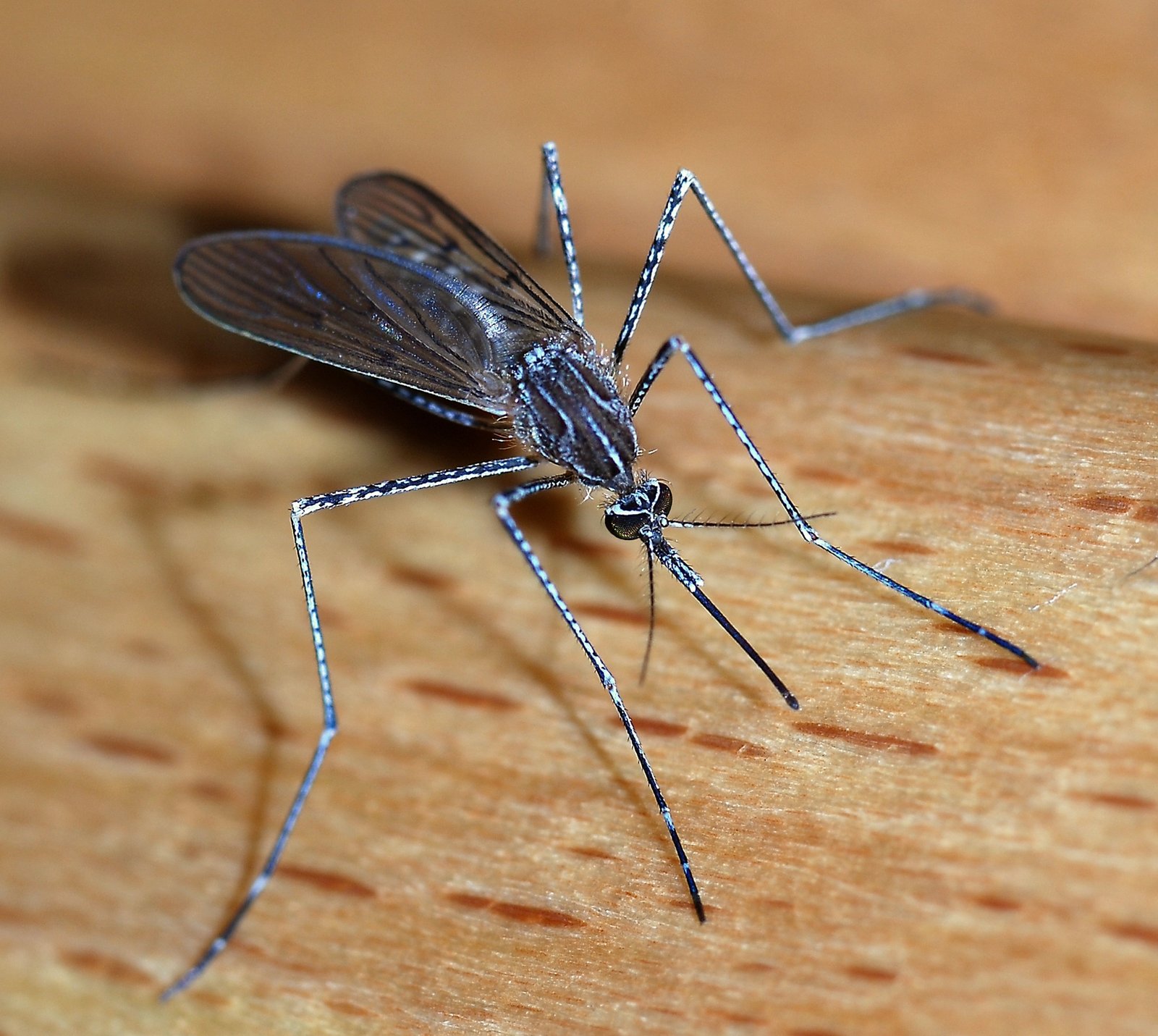
Mosquitoes only need a bottle cap of standing water to breed, so the fix isn't just spraying the yard, it's finding where they're coming…
Learn more →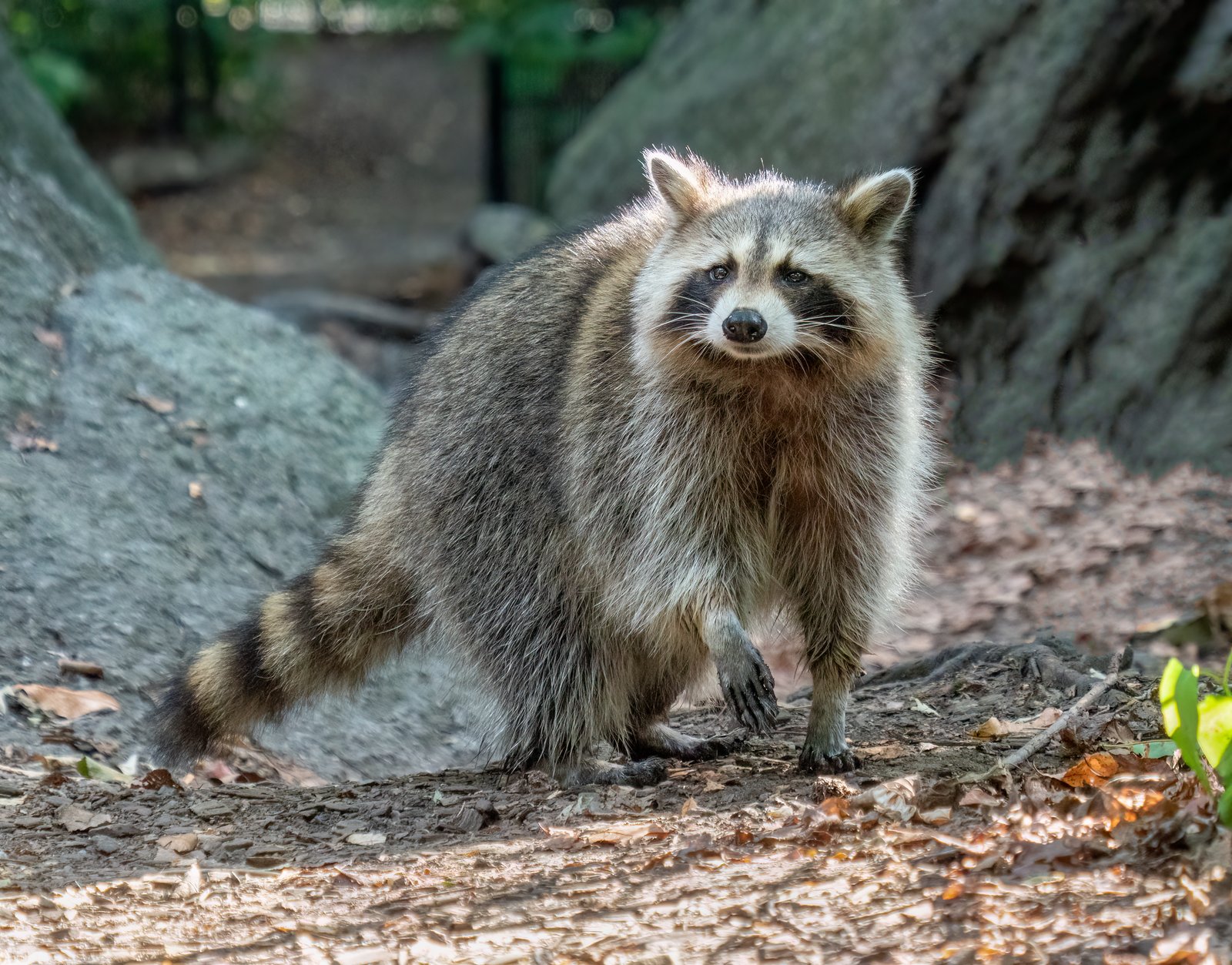
Raccoon Removal
Scratching in the attic after dark, a torn-up trash can every morning, or a mother raccoon denned up over your bedroom — we find…
Learn more →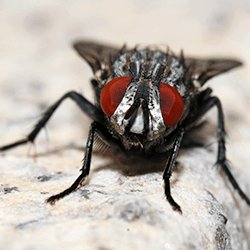
Fly Control
Fly problems almost always trace back to something specific — a drain, a dumpster, a piece of forgotten food waste — and finding that…
Learn more →
Rodent Control
Mice and rat control that finds the entry points, not just the symptoms — trapping and exclusion that actually keeps rodents out, guaranteed.
Learn more →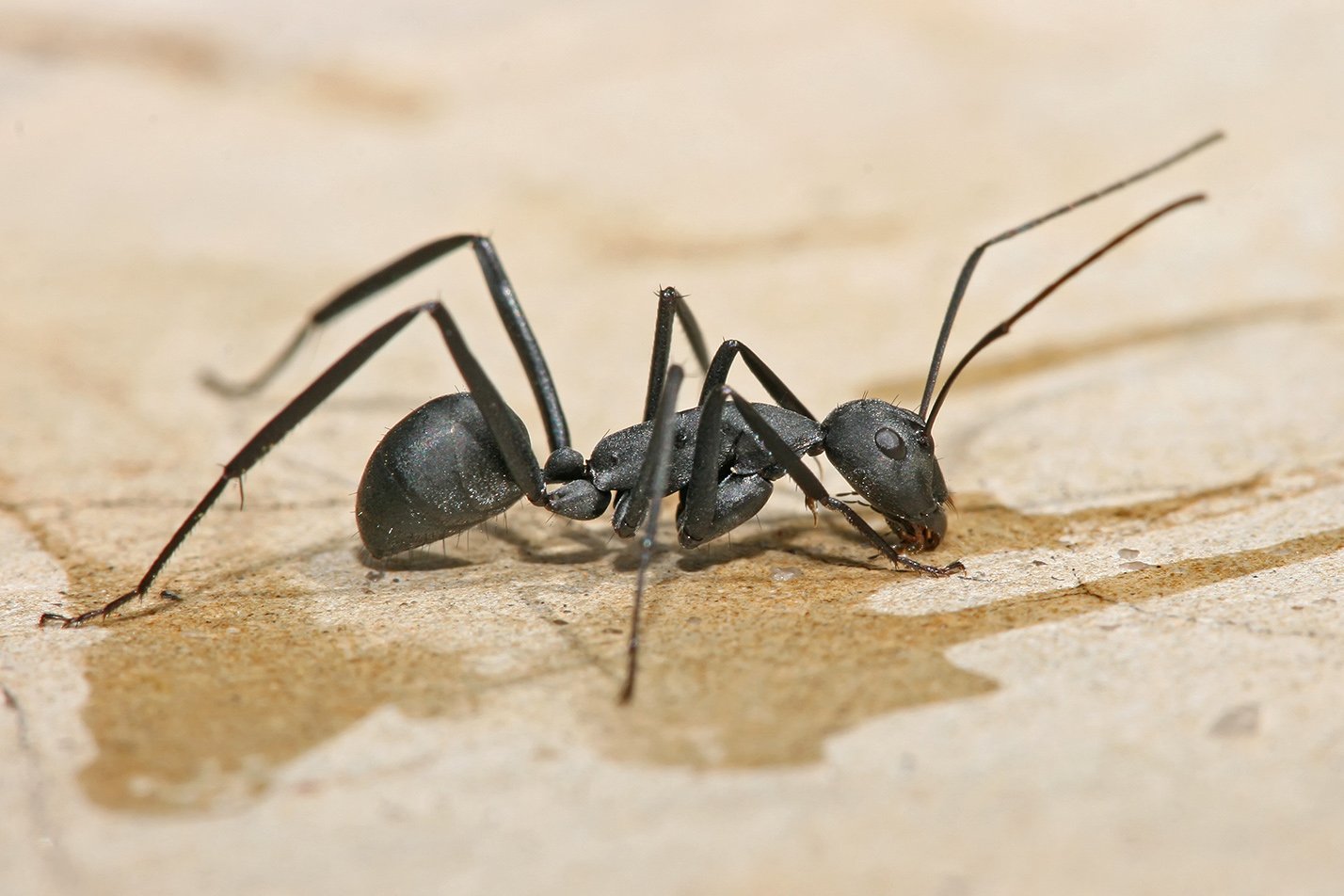
Ant Treatment
A trail of ants across your kitchen counter is a scouting report, not the whole problem. We find the colony behind it and treat…
Learn more →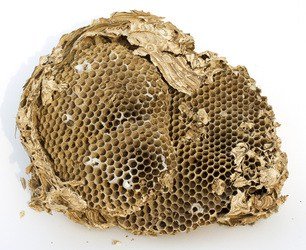
Wasp & Hornet Control
Fast, safe removal of wasp and hornet nests — different pest, different approach than beehive removal, and not something worth handling yourself.
Learn more →Neighborhoods We Serve
Neighbourhoods We Serve in Edmonton
Edmonton is built around the North Saskatchewan River valley, and that geography does more to shape our service calls than almost anything else in the city.
Riverdale
Close to the river in Riverdale, mature trees and ravine lots mean more raccoon and skunk activity under decks and porches, plus heavier mosquito pressure through the summer.
Rossdale
Close to the river in Rossdale, mature trees and ravine lots mean more raccoon and skunk activity under decks and porches, plus heavier mosquito pressure through the summer.
Wikipedia ↗Wikidata ↗Old Strathcona
Old Strathcona, around Whyte Avenue, sits closer to the river, where mature trees and ravine lots mean more raccoon and skunk activity under decks and porches, plus heavier mosquito pressure through the summer.
Garneau
Garneau is an older, established neighbourhood with mature tree cover. It sees steady fall invader activity as cluster flies and boxelder bugs look for a way into attics and wall voids before winter.
Highlands
Highlands is an older, established neighbourhood with mature tree cover. It sees steady fall invader activity as cluster flies and boxelder bugs look for a way into attics and wall voids before winter.
Wikipedia ↗Wikidata ↗Terwillegar
In Terwillegar, in the south and southwest, newer construction often sits near stormwater ponds and constructed wetlands, which keeps mosquito calls up, just for a different reason than the river valley.
Windermere
In Windermere, in the south and southwest, newer construction often sits near stormwater ponds and constructed wetlands, which keeps mosquito calls up, just for a different reason than the river valley.
Summerside
In Summerside, in the south and southwest, newer construction often sits near stormwater ponds and constructed wetlands, which keeps mosquito calls up, just for a different reason than the river valley.
Glenora
Glenora is one of the communities that round out a lot of our regular routes. As in every Edmonton neighbourhood, the city's long, hard winters mean fall sealing work matters here.
Getting around
Getting Around Edmonton
Anthony Henday Drive, the ring road, wraps the city and is how we move between service calls on opposite sides of town. Whitemud Drive cuts east-west through the south side, while Yellowhead Trail (Highway 16) handles a similar job in the north end.
Groat Road and 109 Street both drop toward the river valley and connect the west side to downtown, and Calgary Trail, which becomes Gateway Boulevard closer to the core, is a major north-south route toward the south side and Old Strathcona.
Local landmarks
Local Landmarks and River Valley Geography
Edmonton's river valley park system follows the North Saskatchewan through the city, and it is a big reason mosquito and wildlife calls run higher here than in many comparably sized cities.
Hawrelak Park
Hawrelak Park sits along the river corridor and backs onto residential streets where raccoons, skunks and the occasional deer move between green space and yards.
Wikipedia ↗Wikidata ↗Rundle Park
Rundle Park sits along the river corridor and backs onto residential streets where raccoons, skunks and the occasional deer move between green space and yards.
Wikipedia ↗Wikidata ↗Gold Bar Park
Gold Bar Park sits along the river corridor and backs onto residential streets where raccoons, skunks and the occasional deer move between green space and yards.
Muttart Conservatory
The Muttart Conservatory sits in low-lying terrain that holds moisture longer after spring runoff, which is exactly the kind of standing water that lets mosquitoes complete a breeding cycle quickly.
Wikipedia ↗Wikidata ↗Fort Edmonton Park
Fort Edmonton Park sits in low-lying terrain that holds moisture longer after spring runoff, which is exactly the kind of standing water that lets mosquitoes complete a breeding cycle quickly.
Wikipedia ↗Wikidata ↗Alberta Legislature Grounds
Downtown, near the Alberta Legislature Grounds, older buildings near the valley edge see their own share of rodent and overwintering insect activity each fall.
Local knowledge
Seasonal Pest Patterns Tied to Edmonton's Geography
Edmonton pest activity tends to follow a consistent seasonal script: a push of fall invaders each September, a hard freeze that keeps them dormant, and then a burst of activity in spring as things thaw. Cluster flies, boxelder bugs and Asian lady beetles work into attics, soffits and wall voids as temperatures drop, then reappear on sunny windowsills through the winter as sunlight warms exterior walls just enough to stir them. That pattern shows up city-wide, but it is especially noticeable in Garneau, Highlands and other neighbourhoods with older housing stock and mature trees.
Along the river valley, spring runoff leaves standing water in shaded pockets that do not dry out for weeks, which is when mosquito calls start climbing in Riverdale, Rossdale and similar low-lying communities. Raccoons and skunks follow the same ravine network to get closer to decks, sheds and porches, and because wildlife needs careful, humane handling rather than a DIY approach, we treat those calls differently than a straightforward insect job. Ground squirrels tunnel into lawns and foundations as soon as the frost is out of the ground, and voles leave matted trails through yards once the snow melts back. And because carpenter ants can still find their way into moisture-softened trim on older homes near the river valley, even with cold winters, that is a call worth making before a small trail of ants turns into a structural repair.
Local knowledge
Edmonton's Pest Season, Month by Month
Edmonton's pest year starts later than in many places, since the ground stays frozen well into April in a typical year. Once the thaw arrives, spring runoff collects in low-lying pockets and in ravines like Mill Creek and near Terwillegar Park, and that standing water is where the first serious mosquito activity starts. Ground squirrels and voles emerge from winter burrows in April and May, tunnelling into lawns across older and newer subdivisions before spring growth gives them cover. By June, raccoons and skunks that denned over winter under decks and sheds near the river valley become more visible as they forage more widely with young in tow, which is when wildlife exclusion calls are busiest in neighbourhoods like Riverdale and Rossdale.
Midsummer keeps mosquito pressure high anywhere near the North Saskatchewan, and it is also when wasps build out their nests under eaves, in sheds and along fence lines throughout the city, from Old Strathcona's older housing stock to newer builds out past Anthony Henday Drive. September marks the start of the most predictable pest event of the year: the fall invader push. Cluster flies, boxelder bugs and Asian lady beetles move toward sun-warmed exterior walls looking for a way in before the first hard frost, and once they are inside they generally stay put until a warm afternoon in late winter or early spring wakes them. If you have mature elm or other trees on your property, ask your municipality about current tree-pruning rules before scheduling any work near them. Through the coldest months, rodent pressure holds steady as mice and voles push toward foundations, garages and outbuildings for warmth, a pattern that shows up in nearly every Edmonton neighbourhood but especially those backing onto the river valley's natural cover. Knowing where a property sits relative to that ravine and river system, and what month it is, tells us most of what we need to know before we arrive.
Local knowledge
Why Local Knowledge Matters in a City This Size
Edmonton covers a lot of ground, and a river valley property in Riverdale faces a genuinely different pest environment than a newer build out past Anthony Henday Drive in Summerside. Homes close to the ravine network deal with wildlife pressure, raccoons, skunks and heavier mosquito loads, that suburban properties further from the water rarely see, while older neighbourhoods like Garneau and Highlands carry more structural risk from carpenter ants and fall invaders simply because of how the housing was built decades ago. We treat each property according to where it actually sits in the city, not a generic template. Pricing depends on the property and the pests involved, so we begin with a free quote. If something in your yard or attic does not match a pattern you would expect for your part of the city, that is worth a call rather than a guess.
Why It Works
Guaranteed, not just promised.
Satisfaction Guaranteed
If it's not gone, we come back — free.
Safe & Humane
Natural methods, safe around kids and pets.
No Long-Term Contracts
Stay because it works — not because you're locked in.
What Customers Say
Real reviews from our Google Business Profile.
“Natural Pest Solutions just finished a job at my house. They explained everything in detail and answered every question. On time, professional, and neatly attired. Highly recommended!”
William Morgan — Google review
View on Google →“Great company to deal with. They were courteous and they kept their appointment time to deal with my pest control problem. And they gave me a report of things I could do myself to help keep the pests away.”
Marlon Meginbir — Google review
View on Google →“Excellent advice and treatment of carpet beetles. Would recommend them.”
Kathleen Boulanger — Google review
View on Google →Questions
What People in Edmonton Ask Us
How much does pest control cost in Edmonton?
It depends on the pest and the scope of work. A fall invader treatment on a bungalow in Garneau is different from a raccoon or skunk exclusion job near the ravine. Pricing follows the property and the pests involved, and we begin with a free quote so you know what to expect.
Is mosquito control necessary in Edmonton?
Often, yes, especially near the river valley or a stormwater pond. Neighbourhoods like Riverdale, Rossdale and Terwillegar can see heavier mosquito activity each summer, particularly after spring runoff leaves standing water in shaded, low-lying pockets that stay damp for weeks.
How quickly can you come out to my Edmonton property?
We cannot promise an exact time, but we schedule you as quickly as we can. If a raccoon or skunk has taken up under your deck or shed, tell us when you request your free quote so we can prioritize accordingly.
Are your treatments safe for kids and pets in Edmonton yards?
We use natural pest control options built around non-toxic, low-impact products that are safe around kids and pets. That matters in a city where backyards run along river valley trails and dogs spend long summer days outside. We will tell you exactly what was applied and where.
Why do boxelder bugs and lady beetles show up in my Edmonton house every fall?
As September temperatures drop, boxelder bugs, cluster flies and Asian lady beetles look for a sheltered spot to overwinter and squeeze into attics, soffits and wall voids. On sunny winter days they can wake and drift onto warm windowsills. Sealing gaps in the fall is the best prevention.
Are raccoons a common problem in Edmonton?
Yes, especially closer to the river valley. Raccoons and skunks den under decks, sheds and porches more often near the ravines and low-lying parkland than in drier suburbs further out, and they need humane handling rather than DIY methods. Early summer is when we hear about them most.
Keep exploring
More from Natural Pest Solutions
- All pest control services
- Pest encyclopedia: identify what you are seeing
- All of our locations
- Customer reviews
- Pest control tips from our blog
- Contact us for a free quote
About the area
Edmonton
Wikipedia ↗Wikidata ↗Alberta
Wikipedia ↗Wikidata ↗
Learn More
Trusted resources for Edmonton homeowners
Public-health, regulator and university guidance on safe pest control.
- Health Canada: Pesticides and Pest Management ↗Canadian guidance on pest control products.
- EPA: Integrated Pest Management ↗How IPM prevents pests with the least risk to people.
- National Pesticide Information Center ↗Pest-by-pest fact sheets from Oregon State University and the EPA.
Ready to stop worrying about pests in Edmonton?
Talk to a real expert — no pressure, no toxic chemicals, no contract required.
Recognized by the organizations that set the standard