Services
Commercial Pest Control
Pest problems in a commercial space carry a different weight than they do at home: health code violations, customer complaints, product loss, and a reputation that's hard to rebuild once someone posts about it. We treat commercial accounts on your schedule, with documentation you can hand to an inspector, and methods built to work around customers, employees, and inventory.
Natural, guaranteed pest control — free no-obligation quotes, no contract, safe around kids and pets.
Signs You Need This
How to tell it's time to call
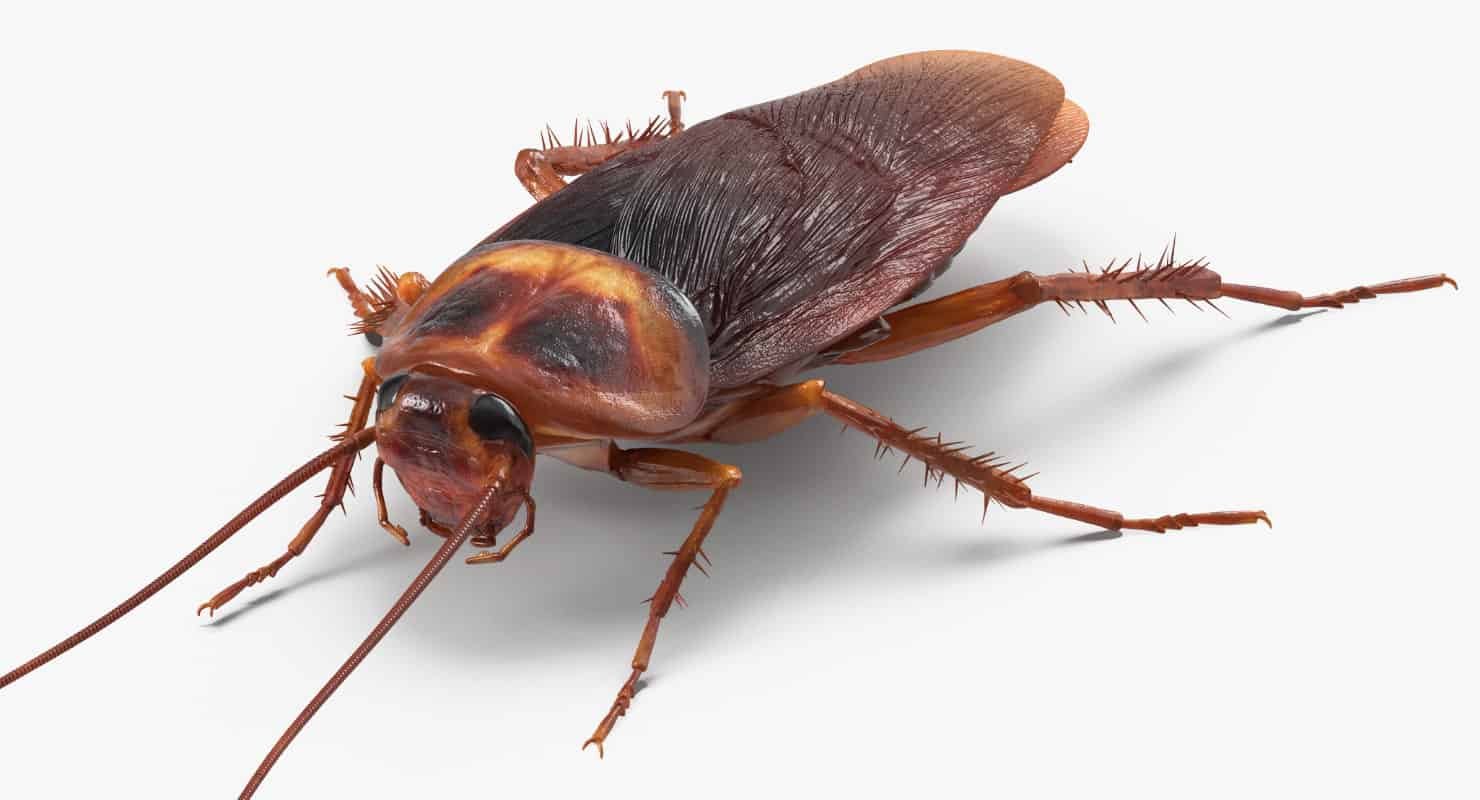
Some signs are easy to miss until they're already a problem. Droppings or gnaw marks along the loading dock or near stored packaging usually mean rodents have found a way in through a door that doesn't seal tight. Flies clustering around a grease trap or dumpster corral, or roaches spotted by staff near the dish pit after close, point to a kitchen or drain issue that will keep coming back until the source gets addressed. Ant trails crossing the break room counter, moths or small beetles turning up in dry storage or grain inventory, or a tenant in a multi-unit property reporting bites and finding shed skins near a mattress seam, these aren't isolated nuisances so much as early signals worth acting on before they show up on a health inspection report or in a customer review.
The Full Picture
A commercial account runs on a different clock than a house call. You need service scheduled around your hours, not the other way around, and you need it done in a way that doesn't put a "we saw an exterminator here" story into a customer's mouth. That's why we work early mornings, after close, or on whatever cadence fits your business, and why our first move is almost always exclusion and sanitation, not blanket chemical treatment. Natural, targeted methods hold up better in spaces where people eat, work, or shop every day, and they're easier to explain to a health inspector than a heavy spray schedule.
We also know commercial pest problems rarely stay contained to one visit's worth of work. A restaurant with a grease trap issue, a warehouse with a stored-product infestation, a multi-unit property with a bed bug complaint from one tenant, each needs its own plan and its own follow-through. If pests show up again before your next scheduled visit, we come back and treat it again at no extra cost. And because we don't lock commercial clients into contracts, that guarantee has to keep earning your business every time, not just on the day you signed.
Our Approach
As your pest control contractor, we start with a walkthrough of your space at a time that works for your operation, often before opening or after close, so we're not underfoot during business hours. We map where pests are actually getting in and what's feeding them: gaps under loading dock doors, drain lines, dumpster corrals, break room crumbs, stored inventory. From there we handle exclusion first, sealing entry points and fixing the conditions that invite pests back, then use targeted baiting and monitoring stations placed where they won't be seen by customers or staff. We default to natural and low-toxicity products, especially in kitchens, dining areas, and anywhere with foot traffic, and only escalate if the pressure calls for it. Every visit gets logged, and we leave documentation on-site so you have records ready if a health inspector or corporate auditor asks for them. If something comes back between scheduled visits, we return and treat it again at no charge, and you're never locked into a contract to keep that guarantee active.

Satisfaction Guaranteed
If it's not gone, we come back — free.
Safe & Humane
Natural methods, safe around kids and pets.
No Contracts
Stay because it works — not because you're locked in.
The Details
Treatment Options & Products We Use
Treatment Options
Commercial accounts run on a formal integrated pest management (IPM) program rather than a one-off spray schedule, built around prevention first and treatment as a last resort.
- Recurring inspection schedule set by risk category: food service and warehouse accounts typically get weekly or biweekly visits, while offices and lower-risk multi-family properties often run on a monthly cadence, adjusted up if pressure increases seasonally
- Exclusion recommendations addressing the physical gaps pests use to get in: door sweeps and air curtains at entrances, sealed conduit and pipe penetrations, dock leveler seals, and screened roof vents
- Sanitation recommendations tied to what's actually attracting pests on-site: waste management and dumpster placement, grease trap maintenance schedules, and dry storage rotation practices that reduce stored-product pest risk
- Monitoring stations placed in discreet, non-customer-facing locations, chosen and mapped so the same spots get checked and logged at every visit rather than re-decided each time
Every visit generates documentation built for compliance, not just internal records: a pest activity log, any corrective actions taken, and trend notes flagging locations with recurring pressure. That paperwork is formatted to hand directly to a health inspector, corporate auditor, or property manager on request, since a verbal 'we handled it' doesn't hold up in a food safety audit the way a dated service record does.
Products & Methods We Use
Commercial IPM programs use equipment built for discretion and long-term monitoring rather than single-visit treatment.
- Commercial-grade bait stations, tamper-resistant and rated for the specific pest pressure at each account, placed and logged at fixed locations so activity trends are trackable over time
- Insect light traps (ILTs) positioned away from windows and entrances to draw flying insects without pulling them in from outside, common in kitchens, dish pits, and dry storage areas
- Rodent monitoring stations along exterior walls and interior traffic paths, checked on each scheduled visit and logged as part of the account's audit trail
- Exclusion materials for loading docks and utility penetrations, including door sweeps, brush seals, dock seals, and sealant rated for the gaps rodents and insects use to get inside
- Pheromone monitoring traps for stored-product pests, used in warehouses and dry storage areas to catch an early population before it spreads through inventory
What Customers Say
Real reviews from our Google Business Profile.
“I really am impressed with the great customer service and how quickly they came to help me with my rodent problem. After doing a pest inspection they found that the problem was much worse than I expected, but the guys at Natural Pest Solutions came to my rescue and got rid of all these nasty pests in my home.”
Phillip Pond — Google review
View on Google →“Natural Pest Solutions just finished a job at my house. They explained everything in detail and answered every question. On time, professional, and neatly attired. Highly recommended!”
William Morgan — Google review
View on Google →“Great company to deal with. They were courteous and they kept their appointment time to deal with my pest control problem. And they gave me a report of things I could do myself to help keep the pests away.”
Marlon Meginbir — Google review
View on Google →Questions
Frequently Asked About Commercial Pest Control
How much does commercial pest control cost?
Pricing depends on the size and type of property, how frequently service is needed, and whether it's a one-time issue or an ongoing plan — a small retail space on a quarterly visit costs less than a restaurant kitchen needing monthly service and drain treatment. Most businesses land on a recurring plan since consistent service keeps documentation current for health inspections, but single-visit treatment is available for isolated issues too.
Is commercial pest control safe to do while the business is open, or does it require closing?
In most cases you don't need to close. We default to natural, low-toxicity products and schedule service for early mornings, after close, or whatever cadence fits your operating hours, specifically so treatment doesn't put a "pest control was here" moment in front of customers. Targeted baiting and exclusion work also mean minimal exposed product in customer-facing or food-prep areas.
Can a business handle minor pest issues with over-the-counter products, or does it need a pest professional?
For a commercial account, it's worth calling a pest professional even for something that looks minor, mostly because of documentation and liability. A health inspector wants to see a pest management plan and service records, not a can of spray under the sink, and DIY treatment in a food service setting can scatter a problem into areas you don't control, like a shared wall with another tenant.
How long does commercial pest control take to show results, and how often is service needed?
Initial treatment usually shows a noticeable drop in activity within the first week, but ongoing prevention is what actually protects a business long-term, since commercial properties have constant deliveries, foot traffic, and food or waste that keep drawing pests back. Most commercial accounts run on a monthly or quarterly schedule, with documentation left on file after every visit for inspections or audits.
What are early signs of a pest problem in a commercial building that owners often miss?
Droppings or gnaw marks near a loading dock or stored packaging usually mean rodents found a gap around a door that doesn't seal tight. Flies clustering around a grease trap or dumpster, or roaches spotted near the dish pit after close, point to a drain or sanitation issue building toward a bigger problem. Ant trails on a break room counter are easy to write off but are often the first visible sign of something larger.
What's the difference between residential and commercial pest control?
Commercial accounts run on the business's schedule, not a standard appointment window, and treatment has to account for customers, employees, and inventory in a way a house call doesn't. Documentation is also a bigger piece of it: commercial clients typically need service logs on file for health inspectors, which isn't something a homeowner needs. Commercial properties also deal more with grease traps and loading docks, while residential issues tend to center on a single structure.
Learn More
Trusted resources on this topic
Guidance from health and regulatory bodies. In Canada, see Health Canada.
- EPA: Integrated Pest Management ↗How IPM prevents pests with the least risk to people.
- EPA: Controlling Pests ↗U.S. guidance on choosing and using pest control safely.
- Health Canada: Pesticides and Pest Management ↗Canadian guidance on pest control products.
Keep exploring
Related pest control services
Areas we serve
- Pest control in DC Ranch
- Pest control in Edmonton
- Pest control in Fountain Hills
- Pest control in Gainesville
- Pest control in Gainey Ranch
- Pest control in Gilbert
- Pest control in Kamloops
- Pest control in Kelowna
- Pest control in Langley
- Pest control in Lumberton
- Pest control in Merritt
- Pest control in Mesa
- Every location we serve
Ready to deal with it, for good?
Talk to a real expert — no pressure, no toxic chemicals, no contract required.
Recognized by the organizations that set the standard