
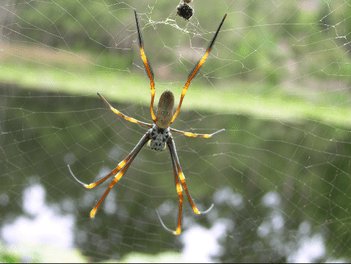
Spiders are among the most common household pests across the US, Canada, Australia, and the UK, and also among the most misunderstood. Every region we service is home to dozens of spider species, and the overwhelming majority are harmless predators that quietly control the population of flies, moths, mosquitoes, and other insects around a home or business. Problems arise when spiders build webs in high-traffic areas, take up residence in garages, basements, attics, and window wells, or when a property happens to host one of the small number of species that are medically significant, such as the black widow or brown recluse in North America, or the redback in Australia.
For homeowners and business owners, spiders matter for two reasons: nuisance and, occasionally, safety. Heavy webbing at entryways, in eaves, and around outdoor lighting creates an unwelcoming appearance and can be a genuine nuisance to maintain. In the rarer cases involving venomous species, correct identification and targeted treatment matter. Our approach focuses on accurate identification, removing webs and egg sacs, reducing the insect prey that draws spiders in the first place, and sealing the entry points spiders use to get indoors, rather than blanket-spraying every surface.
What It Looks Like
Spiders vary widely in size and color, but most household species have eight legs, two body segments (a cephalothorax and abdomen), and no antennae or wings. Common house spiders are typically brown, gray, or tan and range from a few mm to about 2.5 cm in leg span.
- Black widows: shiny black body with a red hourglass marking on the underside of the abdomen
- Brown recluses: light to dark brown with a faint violin-shaped marking on the back and six eyes instead of eight
- Cellar spiders: long, thin legs with a small pale body, sometimes mistaken for “daddy longlegs”
Where It’s Commonly Found
Spiders are found both indoors and outdoors, and most enter homes while following their insect prey. Outdoors, they build webs or shelter under eaves, in woodpiles, garden beds, and around foundation plantings. Indoors, they favor undisturbed, low-traffic areas such as basements, garages, crawl spaces, closets, attics, and the corners of ceilings and window frames.
Signs of an Infestation
- Visible webs in corners, window wells, or around outdoor lighting
- Egg sacs (small silken pouches) tucked into cracks, corners, or storage boxes
- Actual spider sightings, especially at night or when moving stored items
- Shed exoskeletons left behind as spiders grow
- An increase in other insects, which spiders are actively feeding on
Health & Property Risks
The vast majority of spiders found in and around homes are harmless to people and are actually beneficial, since they prey on flies, mosquitoes, roaches, and other nuisance insects. Bites from common house spiders rarely cause more than mild, temporary irritation. That said, a small number of species carry real medical risk: black widow bites can cause muscle pain, cramping, and systemic symptoms that sometimes require medical attention, and brown recluse bites can occasionally lead to tissue damage at the bite site. Anyone bitten by a suspected black widow or brown recluse, or who develops worsening symptoms after any spider bite, should seek medical care.
Treatment Options
- Inspection: A thorough walkthrough of the interior and exterior to identify webs, egg sacs, harborage areas, and the insect food sources drawing spiders in
- Exclusion: Sealing cracks, gaps around utility penetrations, and door/window gaps to reduce entry points
- Web and egg sac removal: Physically clearing webs and egg sacs to disrupt breeding and reduce visible activity
- Targeted residual treatment: Applying labeled residual products to baseboards, corners, entry points, and other harborage zones
- Crack-and-crevice dust application: Treating wall voids, weep holes, and other hidden gaps where spiders and their prey travel
- Perimeter treatment: Addressing the building exterior and foundation to intercept spiders before they get inside
- Monitoring: Placing glue boards in basements, garages, and closets to track activity and confirm treatment is working
Products & Methods We Use
- EPA-registered residual perimeter sprays for exterior foundations and entry points
- Crack-and-crevice dust formulations for wall voids and inaccessible gaps
- Glue board monitors for tracking activity in low-traffic areas
- Non-toxic, kid- and pet-safe treatment options available for interior living spaces upon request
- Eco-conscious product options for households seeking a lower-impact approach as part of an integrated pest management (IPM) plan
Prevention Tips
- Seal cracks, gaps, and utility penetrations around the foundation, windows, and doors
- Install or repair door sweeps and window screens
- Reduce outdoor lighting near entry points, since bright lights attract the insects spiders feed on
- Declutter garages, basements, and storage areas where spiders like to hide undisturbed
- Vacuum up webs and egg sacs regularly, including in corners and behind furniture
- Trim vegetation and remove woodpiles or debris away from the home’s exterior walls