
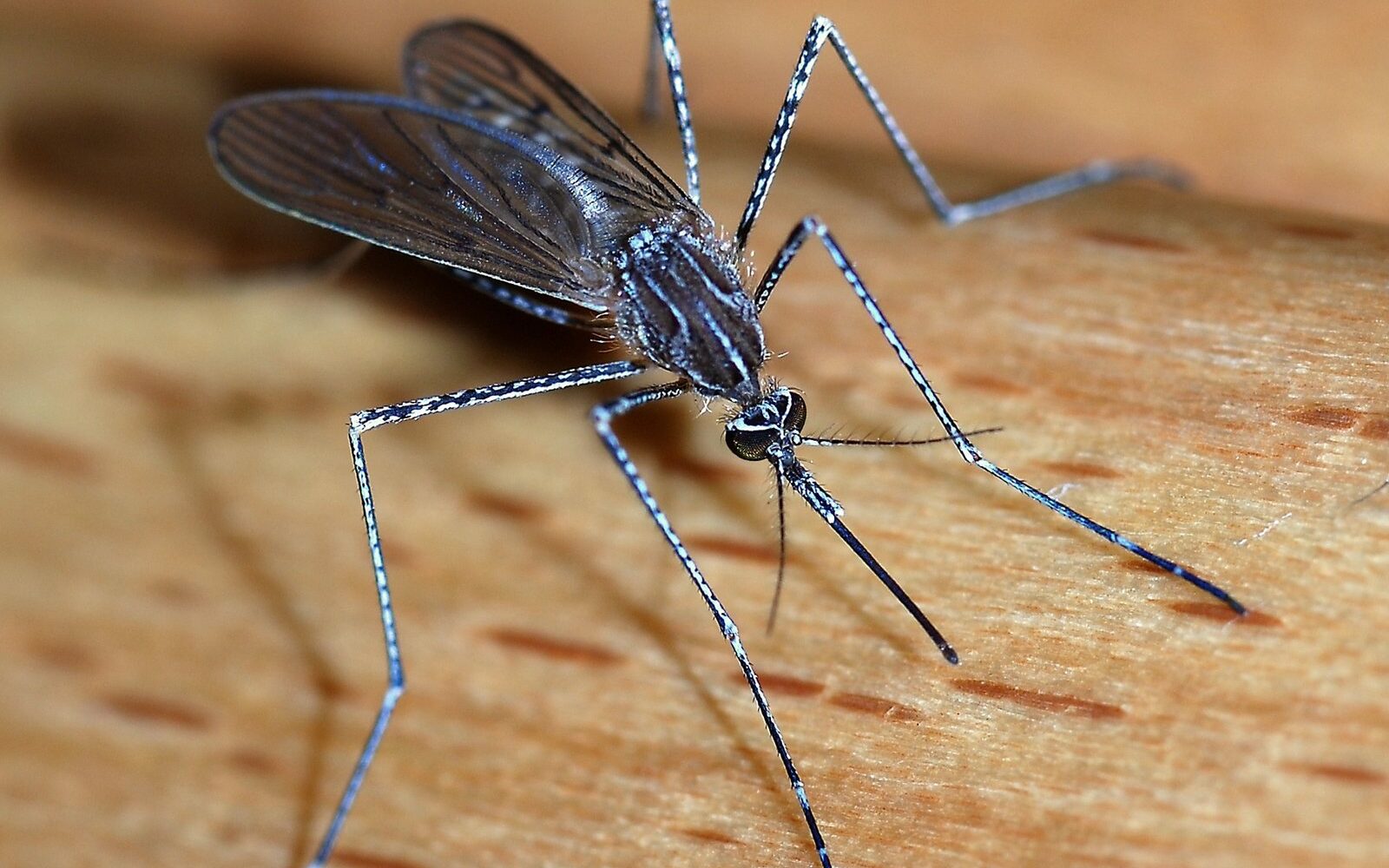
Mosquitoes are small, flying insects in the family Culicidae, and they are widely considered the most dangerous animal on the planet because of the diseases they spread. Only female mosquitoes bite; they need a blood meal to develop their eggs, while males feed exclusively on nectar and plant juices. A single female can lay 100 to 300 eggs at a time and complete an entire life cycle, from egg to biting adult, in as little as seven to ten days when water and warmth are available.
For homeowners and businesses across the US, Canada, Australia, and the UK, mosquitoes are more than a summer nuisance. They drive people indoors, cut evenings on the patio short, and turn a single rain-filled bucket or clogged gutter into a breeding ground for hundreds of biting insects within a week. Because mosquitoes travel on the wind and breed in water sources you may never see, controlling them takes more than swatting; it takes a coordinated approach that targets both the biting adults and the larvae developing in standing water.
What It Looks Like
Mosquitoes are slender insects roughly 6 to 10 mm long with narrow wings, long thin legs, and an elongated mouthpart called a proboscis, which females use to draw blood. Coloring varies by species, from the plain brownish-gray of Culex mosquitoes to the distinctive black-and-white striped legs and body of Aedes species such as the Asian tiger mosquito.
- Long, thin proboscis used for piercing skin and feeding
- Narrow, scaled wings
- Slim, elongated body compared to other flying insects
Where It’s Commonly Found
Mosquitoes require standing water to complete their life cycle, laying eggs in anything from birdbaths and clogged gutters to buckets, tire ruts, and low-lying yard drainage. Adults rest in shaded, humid vegetation during the heat of the day and are most active around dawn and dusk. Populations increase quickly during warm, wet seasons when standing water is abundant.
Signs of an Infestation
- Itchy, raised bite marks appearing after time spent outdoors, especially at dawn or dusk
- Visible standing water in gutters, plant saucers, or low spots in the yard
- Larvae, often called wigglers, seen moving near the surface of standing water
- Increased mosquito activity in shaded, humid areas of landscaping or near dense shrubs
- A noticeable rise in mosquito presence following rainfall
Health & Property Risks
Beyond itchy, irritating bites, mosquitoes are a recognized disease vector capable of transmitting pathogens such as West Nile virus, and in some regions Zika, dengue, or eastern equine encephalitis, through their bite. The actual risk of disease transmission depends heavily on local mosquito species, regional disease presence, and individual exposure, so not every bite carries meaningful risk, but the vector potential is why proactive control matters for households with children, older adults, or outdoor gathering spaces.
Treatment Options
- Source reduction: identifying and eliminating standing water around a property, such as clogged gutters, plant saucers, and low-drainage areas, is the single most effective step in reducing mosquito breeding, since even small amounts of water can support larvae
- Larvicide treatment: for water sources that cannot be drained, such as ponds or rain barrels, a Bti-based (Bacillus thuringiensis israelensis) larvicide is applied to target mosquito larvae without harming fish, pets, or beneficial insects
- Barrier and perimeter treatments: a residual insecticide is applied to shaded vegetation, shrubs, and resting surfaces around the yard perimeter, reducing adult mosquito populations for several weeks between applications
- Misting systems: automated misting systems can be installed to periodically release a fine insecticide mist through the landscape, offering ongoing suppression for properties with persistent mosquito pressure
- IGR (insect growth regulator) applications: applied to breeding sites to interrupt larval development into biting adults, complementing larvicide and adult-control methods
Products & Methods We Use
- Bti-based larvicides for standing water and breeding sites
- EPA-registered residual barrier sprays for vegetation and resting areas
- Insect growth regulators (IGRs) to disrupt the larval life cycle
- Automated or backpack-based misting formulations for perimeter control
- Non-toxic and safe-for-kids-and-pets treatment options, available for households wanting a lower-impact approach around play areas
Prevention Tips
- Empty or refresh standing water in birdbaths, plant saucers, and pet bowls at least weekly
- Clean and unclog gutters so water does not pool
- Store buckets, wheelbarrows, and children's toys so they do not collect rainwater
- Keep grass and shrubs trimmed to reduce shaded daytime resting spots
- Repair or install screens on windows, doors, and porches
- Request a free no-obligation quote from a pest control technician for a property-wide assessment if standing water sources are difficult to eliminate entirely