
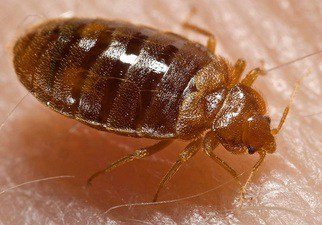
Bed bugs are small, flat, wingless insects that feed exclusively on blood, most often while people sleep. Unlike many household pests, bed bugs aren’t drawn to dirty or cluttered homes — they’re drawn to people, hitchhiking in on luggage, used furniture, clothing, and shared laundry facilities, which is why infestations show up in spotless homes, hotels, and offices just as often as anywhere else. What makes bed bugs particularly frustrating is how well they hide: they flatten into cracks as thin as a credit card, tucking into mattress seams, box spring frames, headboards, baseboards, and even electrical outlets during the day, then emerge at night to feed. A single mated female can lay hundreds of eggs over her lifetime, so a problem that starts with a few stowaways on a suitcase can become a full-blown infestation within weeks if left untreated. Bed bugs don’t transmit disease, but the disruption they cause — lost sleep, bites, anxiety, and the cost of decontaminating or replacing belongings — makes them one of the most stressful pests to deal with. Effective treatment requires more than spraying the mattress; because bed bugs hide throughout a room and even travel between adjoining units in multi-family buildings, thorough inspection and a multi-step treatment plan are essential.
What It Looks Like
Adult bed bugs are small, oval, flattened insects about 4-5 mm long, reddish-brown in color, and wingless. After feeding on a blood meal, their bodies swell and elongate, taking on a more reddish, balloon-like appearance. Nymphs are smaller versions of the adults, appearing translucent to yellowish-white before their first feeding.
Eggs are tiny, roughly 1 mm, whitish, and often laid in clusters in seams and cracks near sleeping areas, making them difficult to spot without close inspection.
Where It’s Commonly Found
Bed bugs are found exclusively indoors and hide close to where people sleep or rest, including mattress and box spring seams, bed frames, headboards, and cracks in nightstands or other nearby furniture. In heavier infestations they spread further, hiding behind wallpaper, in electrical outlets, and along baseboards.
They are most often introduced into a home by hitchhiking on luggage, used furniture, or clothing, and can turn up in hotels, apartments, and single-family homes regardless of how clean the space is kept.
Signs of an Infestation
- Small reddish-brown fecal spots on mattresses, sheets, or box springs
- Blood smears on bedding from crushed bugs
- Shed exoskeletons (molted skins) left in hiding spots as nymphs mature
- Live bugs visible in mattress seams, folds, or furniture cracks
- A musty, sweetish odor in cases of heavy infestation
- Clusters or lines of itchy bite marks on skin that weren't there before going to sleep
Health & Property Risks
The primary risk from bed bugs is itchy, red welts from their bites, which can occasionally lead to secondary skin infections if scratched excessively. A smaller number of people experience stronger allergic reactions to bites.
Bed bugs are not currently known to transmit disease to humans, but they carry a significant psychological toll — anxiety, sleep disruption, and stress are common and well-documented effects of a home infestation, separate from any physical symptoms.
Treatment Options
- Detailed inspection of the mattress, box spring, bed frame, and adjacent furniture, as well as neighboring rooms in multi-unit buildings
- Heat treatment, which raises room temperatures to levels lethal to bed bugs at every life stage, often used for whole-room or whole-unit elimination
- Targeted residual insecticide application to cracks, crevices, and other harborage sites identified during inspection
- Steam treatment applied directly to mattresses, upholstered furniture, and baseboards
- Mattress and box spring encasements to trap remaining bugs and cut off their access to a blood meal
- Thorough vacuuming of seams, carpet edges, and furniture as part of an integrated approach
- Follow-up visits with interceptor traps and monitoring to confirm the infestation has been fully resolved
Products & Methods We Use
- EPA-registered residual insecticides labeled for bed bug control, applied to cracks and crevices rather than directly on bedding
- Dust formulations, including diatomaceous earth, applied in wall voids and other dry, protected cracks
- Professional steam treatment equipment for mattresses and furniture
- Mattress and box spring encasements rated to contain bed bugs
- Bed bug interceptor and monitoring traps placed under furniture legs
- Insect growth regulators (IGRs) in some treatment plans to disrupt reproduction
Prevention Tips
- Inspect secondhand furniture and mattresses carefully before bringing them indoors
- Use protective mattress and box spring encasements
- Reduce clutter around the bed and in bedrooms to limit potential hiding spots
- Inspect luggage after travel and wash clothing on the highest heat setting the fabric allows
- Vacuum mattress seams, carpet edges, and upholstered furniture regularly
- Be cautious with shared laundry facilities and used clothing or furniture from unknown sources