
What It Looks Like
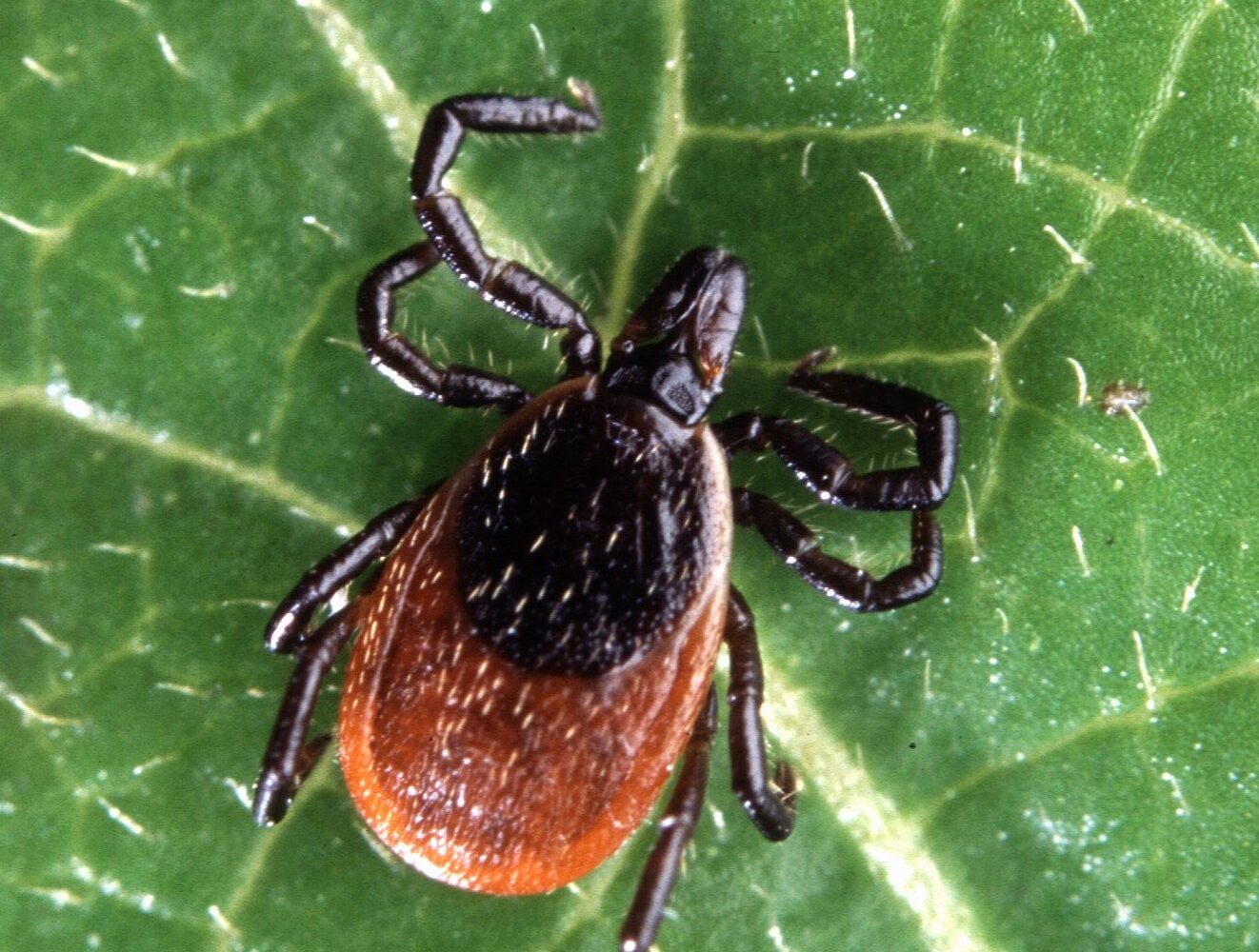
Ticks are small arachnids with eight legs and a flat, oval body that ranges from reddish-brown to dark brown depending on the species. Unfed ticks are roughly the size of a sesame seed, but after attaching and feeding on blood, they swell significantly and take on a gray, engorged appearance that can make them several times their original size.
Where It’s Commonly Found
Ticks are primarily a yard and perimeter pest rather than an indoor infestation problem. They live in tall grass, leaf litter, brushy edges, and wooded areas, where they wait on vegetation to latch onto passing people or animals. Ticks are most commonly brought indoors after they've already attached to a pet or family member who spent time outdoors near tick habitat.
Signs of an Infestation
The clearest sign of a tick problem is finding ticks on pets or family members after time spent outdoors, particularly after walking through tall grass, brush, or wooded trails. Other signs include:
- Pets scratching excessively or showing small bumps on their skin
- Ticks spotted on tall grass or brush along the edges of the yard
- Small, dark specks on clothing after outdoor activity
Health & Property Risks
Unlike many nuisance pests, ticks carry a genuine disease-vector risk. Depending on the species and region, ticks can transmit Lyme disease, Rocky Mountain spotted fever, ehrlichiosis, and other illnesses. That said, not every tick bite results in disease transmission — the risk generally increases the longer a tick remains attached, which is why prompt removal and regular tick checks matter. Being bitten by a tick is not something to panic over, but it does warrant attention and monitoring.
Treatment Options
Tick control focuses on the yard rather than the interior of the home. A pest management company will typically reduce tall grass and leaf litter where ticks congregate, then apply a targeted acaricide treatment along perimeter zones, wooded edges, and other high-risk areas of the property to lower tick populations before they reach people or pets.
Products & Methods We Use
- Yard and perimeter tick treatments
- Granular or spray acaricide applications
- Habitat modification tools for tall grass and brush reduction
Prevention Tips
- Keep grass mowed short and remove leaf litter and brush from the yard
- Create a barrier of wood chips or gravel between lawn areas and adjacent woods
- Use a tick repellent on skin or clothing when spending time outdoors
- Wear long sleeves and pants, tucking pant legs into socks in wooded or grassy areas
- Perform tick checks on yourself, family members, and pets after outdoor activity
- Talk to your veterinarian about tick prevention products for pets