
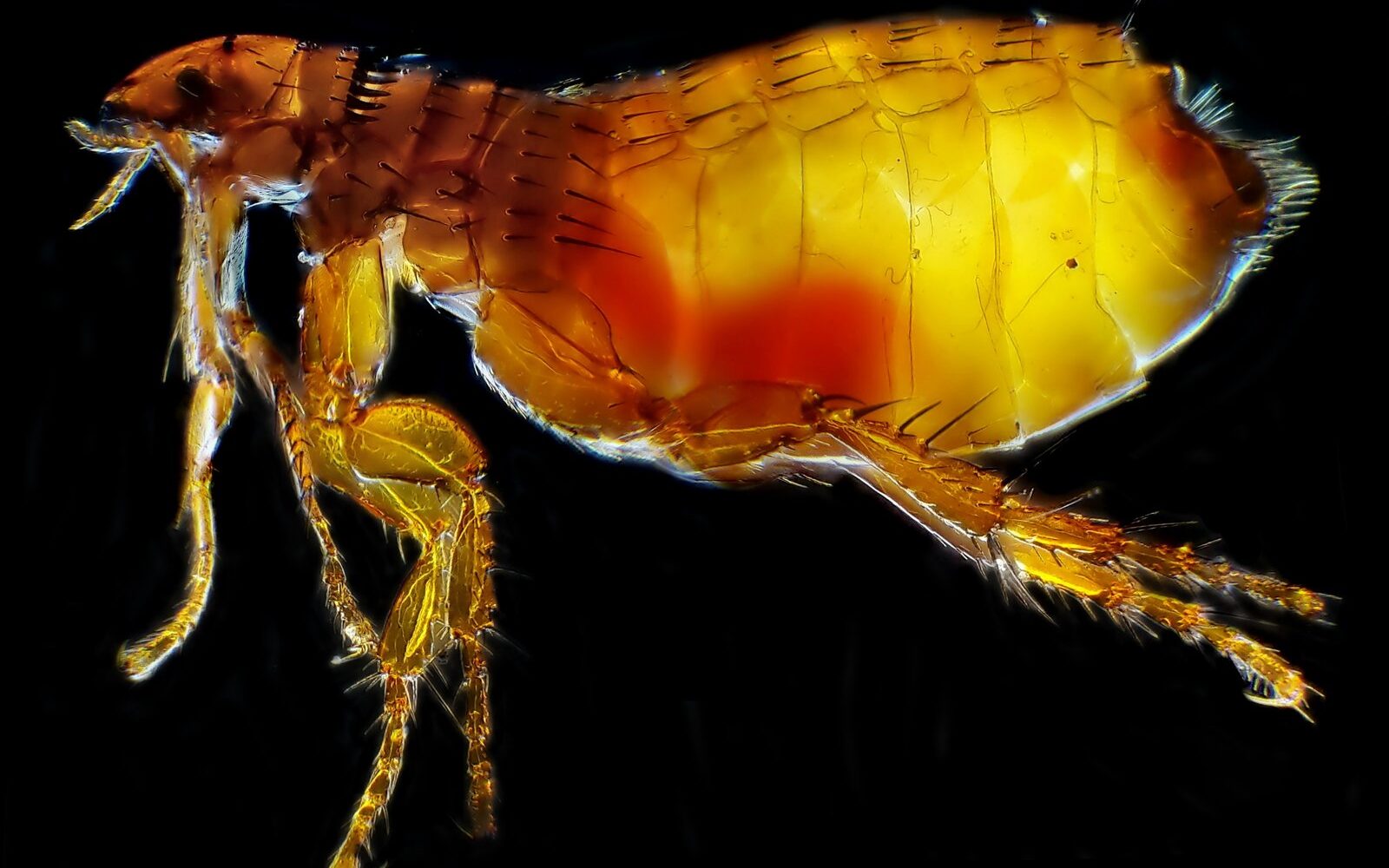
Fleas are small, wingless, blood-feeding insects, and the cat flea (Ctenocephalides felis) is by far the most common species found in homes — despite the name, it’s the primary flea affecting both cats and dogs across the US, Canada, Australia, and the UK. Fleas are notorious for how fast they multiply: a single female can lay up to 40-50 eggs a day, and those eggs, along with larvae and pupae, quickly spread through carpets, bedding, and upholstery, not just onto pets.
What makes fleas a genuine household problem rather than just a pet nuisance is their life cycle. Eggs fall off the host into carpets and cracks, hatch into larvae that feed on organic debris, then pupate into a cocoon stage that can lie dormant for weeks or months, resistant to many treatments, before hatching when it senses vibration, warmth, or carbon dioxide — meaning an “empty” house can trigger a new wave of biting fleas the moment people or pets move back in. Because of this hidden life-cycle stage, flea problems are almost always bigger than what you can see on your pet at any given moment.
What It Looks Like
Fleas are tiny, wingless insects, typically about 1.5-3 mm long, with reddish-brown bodies that are flattened side-to-side. This flattened shape lets them move quickly through fur and carpet fibers, and their strong hind legs allow them to jump remarkable distances relative to their size.
- Adults are visible to the naked eye but move fast and are easy to miss on pets with dark or thick coats
- “Flea dirt” (dried blood excrement) appears as small dark specks in fur or bedding
- Larvae are tiny, worm-like, and translucent white, and are rarely seen since they live deep in carpet fibers or soil
Where It’s Commonly Found
Fleas depend on a host for blood meals but spend much of their life cycle off the animal, in the surrounding environment. Indoors, eggs, larvae, and pupae accumulate in carpets, rugs, upholstered furniture, pet bedding, and cracks in flooring. Outdoors, fleas favor shaded, humid areas such as under porches, decks, shrubs, and anywhere pets or wildlife regularly rest.
Signs of an Infestation
- Pets scratching, biting, or licking themselves excessively, especially around the neck, tail base, and belly
- Small, dark “flea dirt” specks visible in pet fur or bedding, which turn reddish-brown when wiped on a damp paper towel
- Red, itchy bites on people, typically clustered around the ankles and lower legs
- Fleas seen jumping off pets, carpet, or bedding
- Pets with patchy hair loss or irritated skin from repeated scratching
Health & Property Risks
Flea bites cause itchy, red welts on people and pets, and some individuals develop an allergic reaction known as flea allergy dermatitis, which can lead to intense itching, hair loss, and secondary skin infections in affected pets. Fleas can also transmit tapeworms if a pet accidentally ingests an infected flea while grooming. In heavy infestations, especially on kittens, puppies, or small or elderly animals, blood loss from flea feeding can contribute to anemia. Because fleas reproduce quickly and their eggs and larvae can persist in carpets and bedding for weeks, infestations tend to worsen without treatment.
Treatment Options
- Inspection: Identifying activity levels and hot spots on pet bedding, carpeted areas, upholstery, and shaded areas of the yard
- Indoor premise treatment: Applying labeled residual products with an insect growth regulator (IGR) to carpets, rugs, upholstered furniture, baseboards, and pet resting areas to kill adult fleas and interrupt the egg-to-adult life cycle
- Vacuuming protocol: Thorough, repeated vacuuming of carpets and furniture before and after treatment to physically remove eggs, larvae, and debris
- Laundering: Washing pet bedding and washable fabrics in hot water to eliminate eggs and larvae
- Yard treatment: Treating shaded, humid areas of the yard, under decks and porches, and along fence lines where pets and wildlife spend time
- Pet flea control: Coordinating with a veterinarian on an appropriate flea control product for all pets in the household, since premise treatment alone will not resolve an infestation if pets remain untreated
- Follow-up visits: Because flea pupae can remain dormant for weeks, a second treatment is often scheduled to catch newly emerged adults
Products & Methods We Use
- Insect growth regulators (IGRs) to break the flea life cycle by preventing eggs and larvae from maturing
- EPA-registered residual sprays labeled for carpets, upholstery, and indoor living areas
- Granular or liquid yard treatments for shaded outdoor harborage areas
- Flea combs used during inspection to confirm activity on pets
- Non-toxic, kid- and pet-safe treatment options available for interior application, discussed as part of an integrated pest management (IPM) plan
Prevention Tips
- Vacuum carpets, rugs, and upholstered furniture regularly, paying close attention to areas where pets rest
- Wash pet bedding in hot water on a weekly basis during active flea season
- Keep pets on a year-round, veterinarian-recommended flea prevention product
- Mow the lawn regularly and trim back shaded, overgrown areas where fleas thrive
- Limit access for stray animals and wildlife, which can carry fleas onto the property
- Check pets for fleas after time spent outdoors, especially in wooded or grassy areas