
What It Looks Like
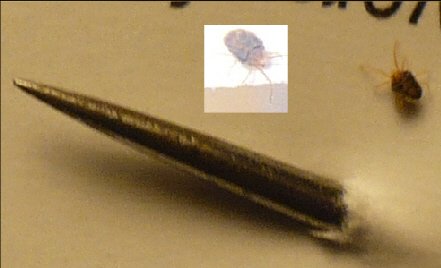
Clover mites are extremely small, less than 1 millimeter long, with an oval reddish-brown to olive-green body and eight legs. Their front pair of legs is noticeably longer than the rest and extends forward, often mistaken for antennae.
Where It’s Commonly Found
Clover mites live outdoors in lawns, clover, and dense vegetation close to a home's foundation, feeding on grass and plant matter. During periods of temperature change in early spring and fall, they migrate toward buildings in large numbers, often gathering on sun-warmed exterior walls before squeezing through tiny cracks around windows and siding.
Signs of an Infestation
- Tiny reddish specks moving on windowsills, screens, or sunny exterior walls
- Large numbers of mites appearing suddenly indoors, especially near windows
- Small reddish stains left behind on fabric, carpet, or curtains if mites are crushed
- Lush, well-fertilized grass or dense clover growing right up against the foundation
Health & Property Risks
Clover mites are harmless to people and pets. They do not bite, sting, or spread disease, and they cause no structural damage. The main issue is a nuisance one: they can invade in very large numbers during migration periods, and crushing them can leave a reddish stain on fabric, curtains, or light-colored surfaces.
Treatment Options
Since clover mite invasions are tied to seasonal migration, an exterior perimeter treatment applied before spring and fall movement periods is the most effective way to intercept mites before they reach the house. A pest management company will also seal entry points around window frames and siding and may recommend adjustments to lawn care and landscaping to reduce mite populations near the foundation.
Products & Methods We Use
- Residual exterior perimeter sprays
- Crack-and-crevice treatments around windows and siding
- Exclusion sealants for foundation gaps
Prevention Tips
- Keep grass and clover trimmed short within about a metre of the foundation
- Create an 45-60 cm vegetation-free buffer of gravel or mulch around the home's perimeter
- Avoid over-fertilizing lawn areas next to the house, since lush grass attracts mites
- Seal cracks around foundation walls, windows, and doors
- Vacuum up mites indoors rather than crushing them to prevent staining
- Schedule a perimeter treatment ahead of peak spring and fall migration